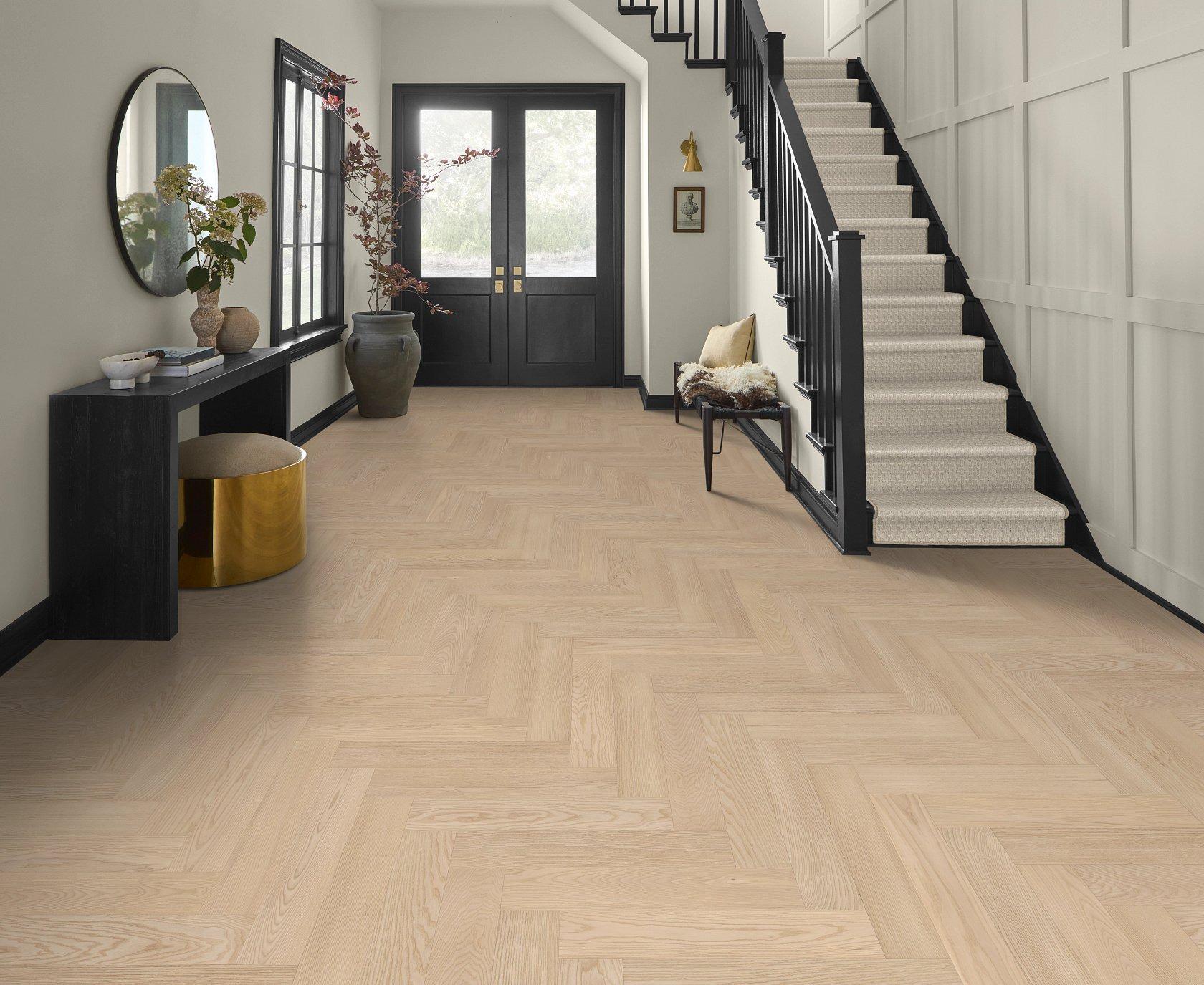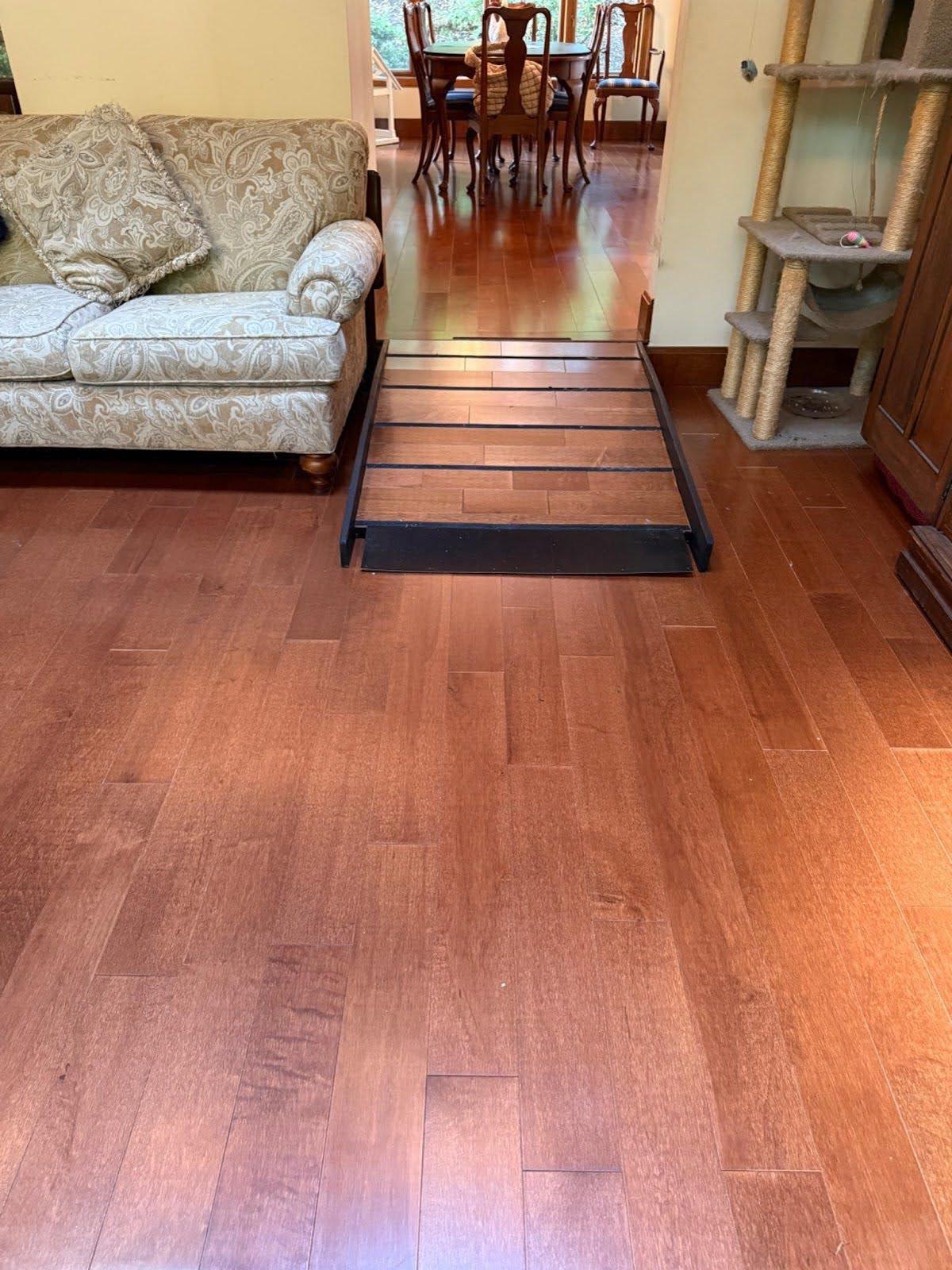
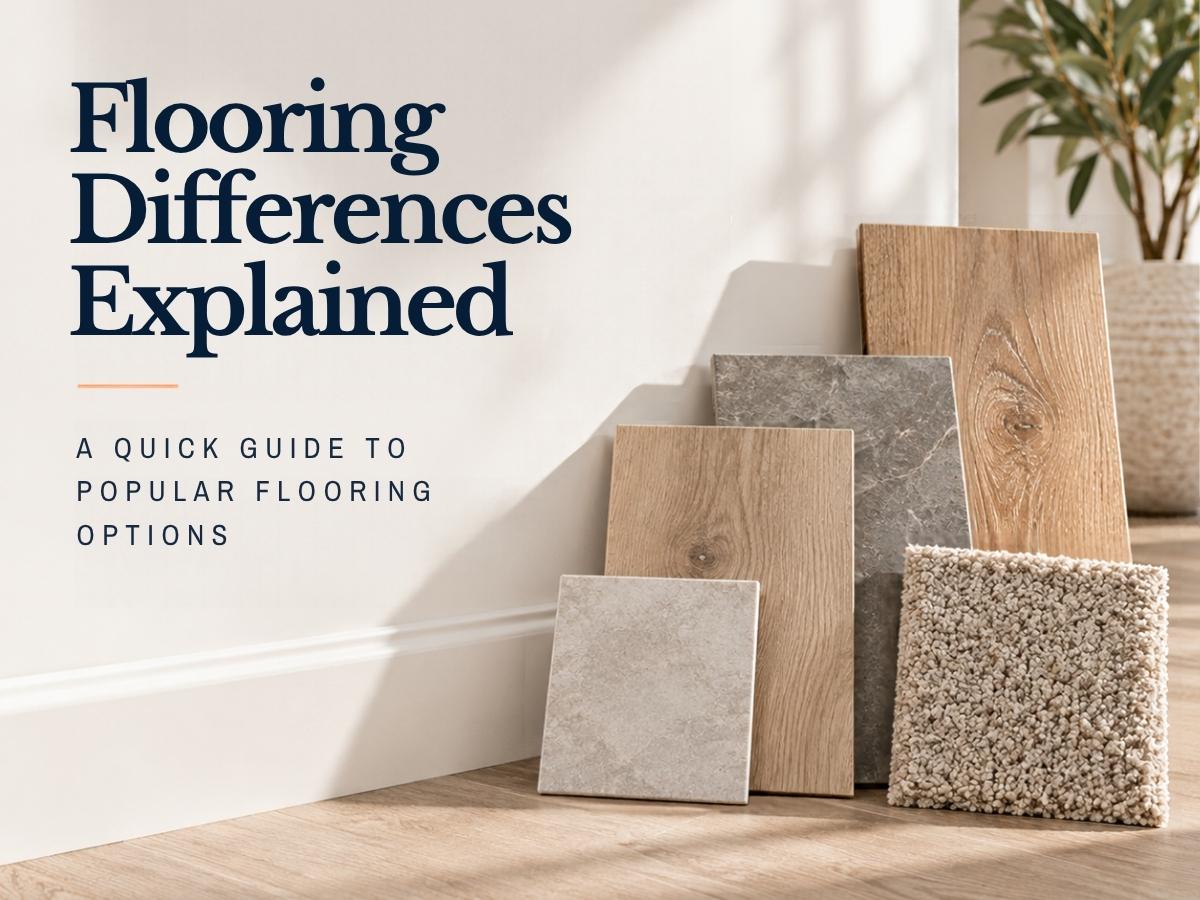
Put several wood-look flooring samples next to one another, and you may be looking at products from completely different flooring categories. Hardwood, laminate, and vinyl can share a similar appearance while differing considerably in how they're made. Tile and carpet bring another set of materials and characteristics into the decision.
Understanding those basic differences gives you a better starting point for comparing flooring options in Houston. Floor Coverings International of Houston Memorial, TX® can help you make sense of the terminology and see how the flooring materials you're considering differ beyond color and style.
Schedule An In-Home Consultation
Start With the Material, Not Just the Look
Flooring names tell you something about how a product is constructed, not simply what it resembles. That's especially important now that several flooring categories can recreate similar wood and stone visuals.
Here's a quick orientation:
- Hardwood flooring uses real wood. Solid hardwood is wood throughout the plank, while engineered hardwood combines a real hardwood surface with a layered or composite construction beneath it.
- Laminate flooring typically uses a photographic or decorative layer to create its appearance rather than a real-wood surface.
- Vinyl flooring is a resilient flooring category available in a variety of constructions and visuals. Luxury vinyl tile (LVT) and luxury vinyl plank (LVP) are two formats you may encounter.
- Tile flooring, including ceramic and porcelain, is a hard-surface category with different construction and installation requirements from wood, laminate, and vinyl.
- Carpet is a textile floor covering available in different fibers, constructions, textures, and pile styles.
Those categories provide a useful starting point, but they don't tell you everything about a particular floor. Products within the same category can carry different specifications, warranties, care instructions, and approved applications.
Why Vinyl and Laminate Cause So Much Confusion
The comparison between vinyl flooring vs. laminate flooring often starts with appearance. Both categories can recreate hardwood looks in plank formats, so the finished floors may look similar even though their construction is different.
Laminate generally incorporates a wood-based core beneath its decorative and protective layers. Vinyl flooring uses synthetic materials and is constructed differently. Those distinctions can affect moisture performance, feel, installation requirements, and where particular products are approved for use.
Neither category should be judged by its name alone. Not every vinyl product is waterproof, and laminate products can have different levels of moisture resistance. If you're comparing the two, look at the specifications for the individual products rather than relying on assumptions about the entire category.
Wood Look Doesn't Always Mean Wood
Hardwood, laminate, and vinyl can all give you a wood-inspired floor, but only hardwood products contain a real-wood surface. Solid hardwood consists of wood throughout the plank. Engineered hardwood also gives you a real hardwood surface, but it uses a constructed core underneath. Laminate creates the visual with a decorative image layer, while wood-look vinyl uses its own synthetic construction.
Those differences matter when you're deciding among laminate, vinyl, or engineered wood. If having genuine wood underfoot is important to you, that immediately separates hardwood from the other two categories. If your priorities lie elsewhere, comparing maintenance, moisture guidance, installation requirements, and individual product specifications can help narrow the choices.
Tile and Carpet Bring Something Different to the Decision
Not every flooring comparison involves products designed to look alike. Tile and carpet have characteristics that set them apart from the plank categories.
Ceramic and porcelain tile provide a hard surface and come in numerous sizes, shapes, textures, and designs. Individual products can vary in water absorption, slip resistance, installation requirements, and approved applications. Those details are particularly important when you're considering tile for a specific room.
Carpet takes the floor in another direction entirely. Its textile construction provides a softer surface underfoot, with choices in fiber, pile, texture, pattern, and color. Those variables can affect how a carpet looks, feels, and performs over time.
Flooring FAQ: Clearing Up the Common Comparisons
Once you know the major categories, some of the terminology becomes much easier to untangle. These common flooring questions address distinctions that aren't always obvious when you're first looking at samples.
What Is the Difference Between Laminate and Vinyl Flooring?
The fundamental difference between laminate and vinyl flooring is how they're constructed. Laminate typically has a wood-based core with a decorative image layer and protective surface. Vinyl uses synthetic materials and a different layered construction.
Both can reproduce similar wood visuals, but moisture performance, installation requirements, thickness, feel, and other specifications vary. The specifications for the products you're considering can tell you more about those characteristics.
What Is the Difference Between Engineered Hardwood and Laminate?
Engineered hardwood has a real hardwood surface over a constructed core. Laminate does not have a real-wood surface. Instead, its decorative layer recreates the appearance of wood.
Depending on its construction and the thickness of its hardwood surface, some engineered hardwood may also be refinished. That capability shouldn't be assumed for every engineered floor. Manufacturer guidance can clarify refinishing, installation, moisture exposure, care, and other product-specific considerations.
What's the Difference Between LVT and LVP?
Luxury vinyl tile (LVT) and luxury vinyl plank (LVP) both belong to the luxury vinyl category. If you're researching the LVT or LVP difference, format and visual intent are useful places to start.
LVP is typically made in plank formats and commonly recreates hardwood visuals. LVT generally comes in tile formats and is often used for stone, ceramic, and other tile-inspired looks. Individual products within either format can still have different wear layers, installation methods, moisture ratings, and other specifications.
How Does Laminate Compare With Vinyl Tile?
When comparing laminate vs. vinyl tile, remember that you're looking at products from two separate flooring categories. Laminate has its own layered construction, while vinyl tile falls within the vinyl family.
Rather than choosing based solely on the visual, compare the products' approved applications, moisture guidance, installation requirements, care instructions, and other specifications for the room you're updating.
Should I Choose Laminate, Vinyl, or Engineered Wood?
There isn't one answer that applies to every project. When you're deciding among laminate, vinyl, or engineered wood, start with the differences that matter to you.
Ask yourself:
- Is having a real-wood surface important?
- Which rooms are included in the project?
- What moisture exposure is realistic for those rooms?
- What cleaning and maintenance requirements work for your household?
- Which products are approved for the intended application?
- How do the products you're considering fit the project's budget?
If you're still weighing vinyl, laminate, or engineered wood after answering those questions, individual product specifications can help separate choices that initially seemed very similar.
Is One Flooring Type Better Than the Others?
Not across every home, room, and application. Even within a single flooring category, products can vary considerably.
“Vinyl” doesn't automatically mean waterproof. “Laminate” doesn't tell you its exact moisture resistance. “Engineered hardwood” doesn't establish whether a floor can be refinished. Ceramic and porcelain tiles have individual specifications, and carpet varies by fiber and construction.
The category helps you understand the basic type of floor. From there, the individual product's specifications can help you decide whether it makes sense for your project.
Ready to Compare the Differences for Yourself?
Knowing the terminology can make flooring easier to shop for, but you don't have to keep every construction detail straight on your own. Floor Coverings International of Houston Memorial, TX® brings the Mobile Flooring Showroom® to your home, so you can compare vinyl, laminate, hardwood, tile, and carpet samples and get answers about the individual products you're considering.
Your Design Associate can walk you through relevant specifications and installation requirements, professionally measure the project area, and provide a free, down-to-the-penny quote for your selection.
Call (281) 720-3688 to schedule a free in-home consultation with Floor Coverings International of Houston Memorial, TX®.