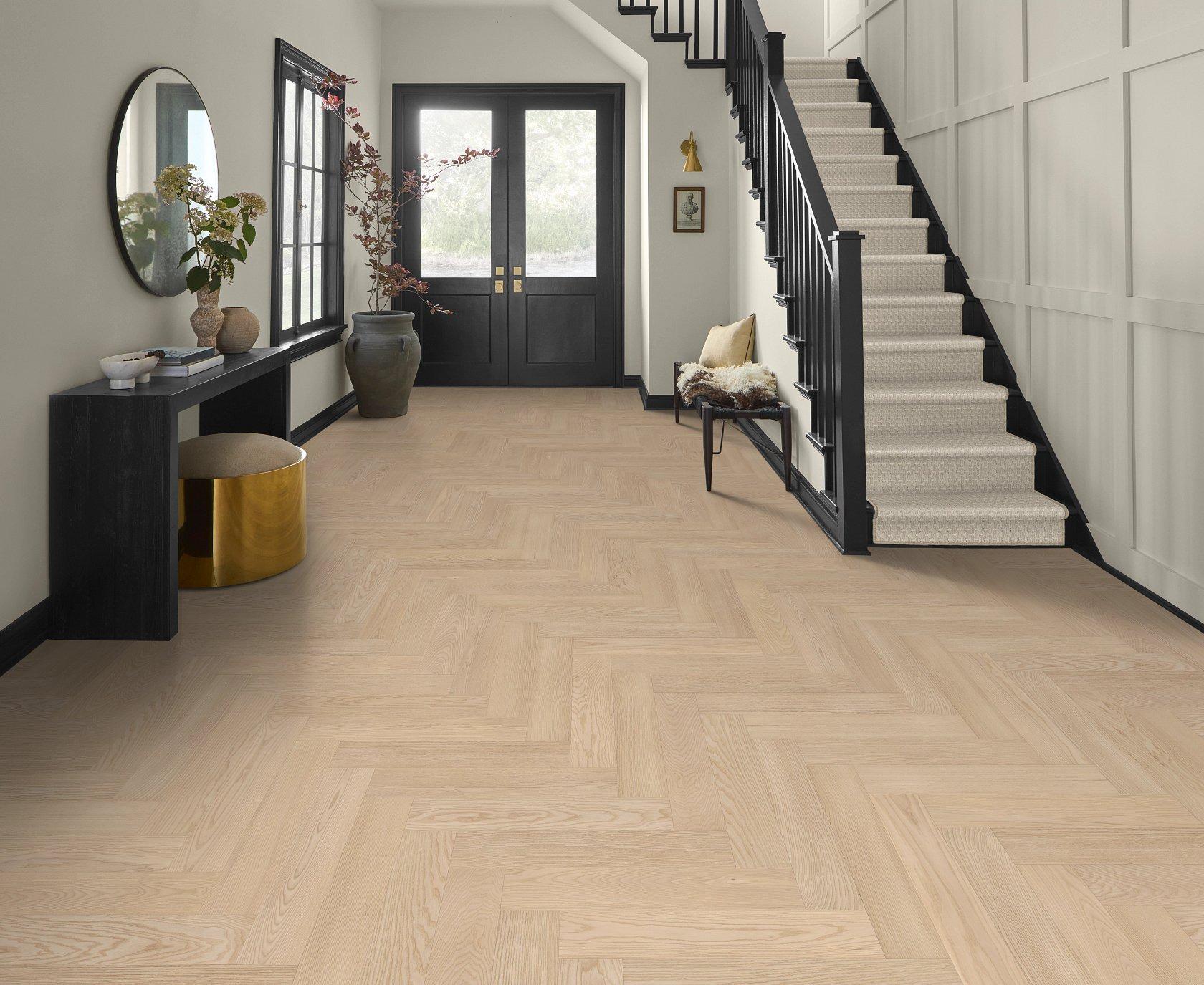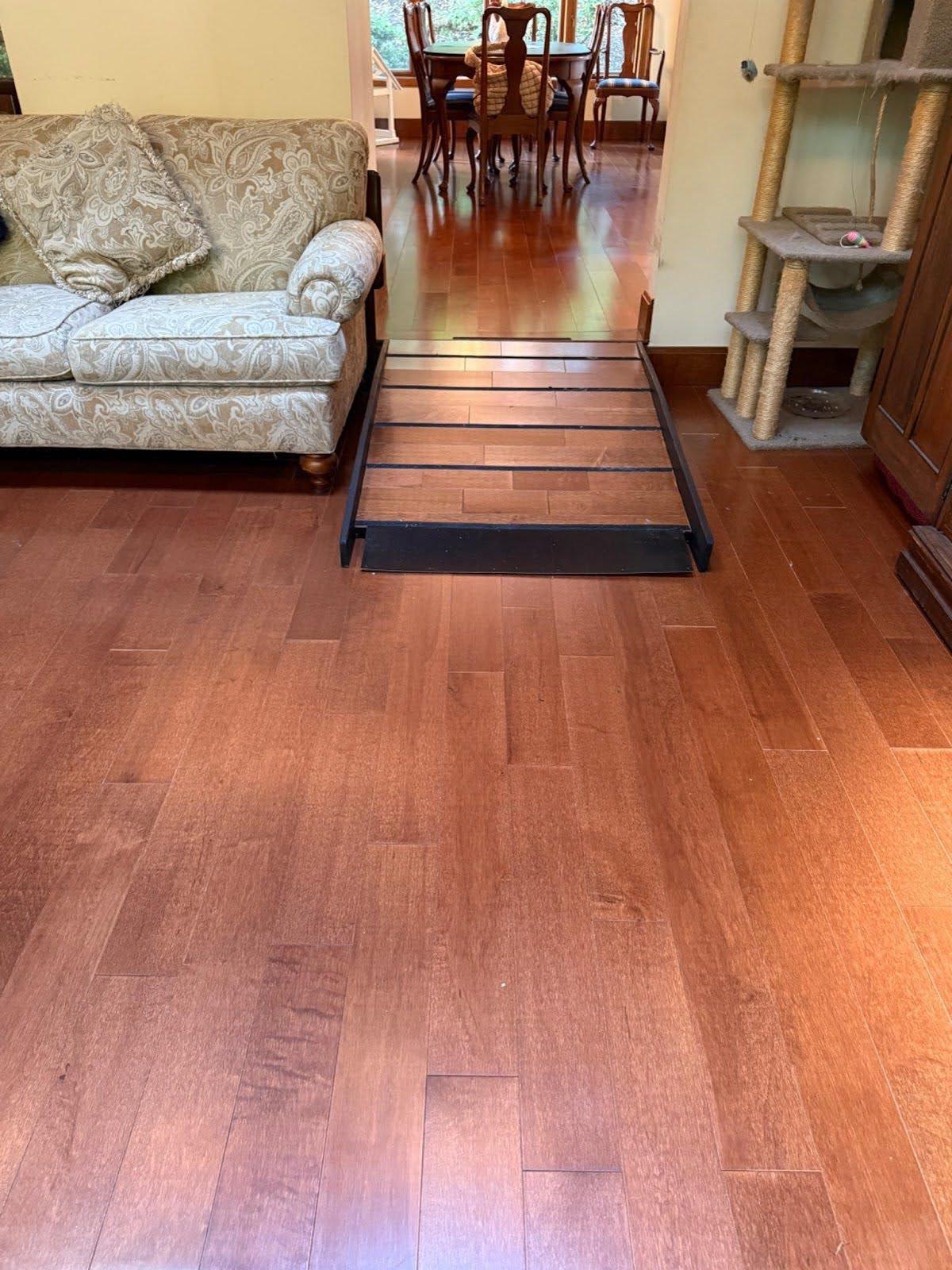
Here in Mentor, we have a mix of humid, muggy summers and frigid, snowy winters. If you’re considering installing hardwood floors, you’re probably wondering: What is the difference between engineered and solid wood flooring? And which is a better choice for your home?
Join us as we discuss what makes solid and engineered wood floors different, why it matters in our humid continental climate, and explore a side-by-side comparison of how the floors function in your home.
If you want to discuss your wood flooring project with skilled hardwood specialists who know what works best in Mentor, OH, and can help you find the best fit for your home, give our team at Floor Coverings International of Mentor, OH® a call.
Schedule An In-Home Consultation
The Core Difference
The main difference between engineered wood and solid wood is the floors’ structure. Solid wood is made of planks milled from thick lumber and has a rich natural grain texture local homeowners love. This classic-style wood floor has been relied on for centuries.
Engineered wood, however, is a modern style of hardwood. A real wood veneer is bonded to a multi-layered plywood or compressed fiberboard core. The layered structure pulls the plank in opposite directions as it expands and contracts with environmental changes, keeping the floors flat even as humidity or temperatures fluctuate.
How Mentor’s Humidity Affects Wood Floors
When debating between engineered hardwood vs. solid wood flooring, Mentor’s humid continental climate is a deciding factor for many homeowners. Our location along Lake Erie increases humidity during the summer months, often raising indoor humidity levels to 60% or higher. When temperatures drop in winter and homeowners start running the furnace nonstop, humidity drops to 30% or lower. This often rapid change in Midwest temperatures should be taken into account when comparing engineered wood flooring vs. solid hardwood flooring with regard to the unique needs of your home and the specific project area you’re planning around.
As a natural material that expands and contracts with moisture changes, solid wood is highly sensitive to fluctuations, which can cause gaps in winter and cupping or buckling in summer if the humidity isn’t controlled. With proper humidity control and in the right conditions, solid wood floors can be refinished to last a hundred years, while engineered wood floors last 30 – 40 years.
Many homeowners between solid wood flooring and engineered hardwood floors in Mentor opt for the peace of mind they get with engineered wood floors over wondering if their solid wood floors are being damaged by the elements. Engineered hardwood floors have a cross-layered core that is designed to resist warping, making it a more stable choice for Northeast Ohio homes. You can even install engineered floors in spaces solid wood struggles, like below-grade basements, over concrete slabs, and in rooms with radiant heating systems.
In Midwest homes, especially those in the sparse coastal regions like Mentor, OH, humidity and moisture do need to be taken into consideration before a choice is made. The best way to know for sure is to work with a local coastal flooring contractor experienced in engineered vs. solid wood floors to not only do the job right, but to educate you on your home’s specific needs so you can make the right choice for you. At Floor Coverings International of Mentor, OH® we pride ourselves on going above and beyond for our customers and will walk through every step of your project, offer expert advice, and provide a down-to-the-penny quote for transparent pricing with no surprises. You don’t have to wonder what the best investment for your home and family will be; just schedule a free in-home consultation, and we’ll provide you with all the information you need.
Side-by-Side Comparison: Engineered Wood Flooring vs. Solid Hardwood Flooring
As we evaluate the floors side-by-side, we cover some pros and cons of solid wood flooring vs. engineered wood that can help you assess which floors work better for your home in Mentor.
Here’s a quick breakdown:
- Humidity tolerance: Solid wood is sensitive to expansion and contraction, while engineered wood is dimensionally stable and ideal for our climate.
- Refinishing potential: Solid wood can be sanded multiple times over its lifespan, extending the life of the floor up to a century or longer. Engineered wood, on the other hand, can be refinished one to three times depending on the thickness of the wear layer with an expected lifespan of 20 – 40 years.
- Installation flexibility: Solid wood is typically limited to above-grade, nail-down installations, while engineered wood offers glue-down, floating, and nail-down options even over concrete slabs.
- Ideal locations: Solid wood works best for main-level living rooms, dining rooms, and upstairs bedrooms with stable humidity. However, you can install engineered wood in basements, first floors over concrete, and rooms with fluctuating temperatures.
- Investment cost: To compare solid wood vs. engineered wood cost, we have to consider materials, installation, and longevity. Solid wood costs more in both materials and installation, but can also last beautifully for decades to a century with the right care and occasional refinishing. Engineered wood is often more affordable in material and installation costs and can also last 40 to 50 years with proper care.
Which Works Better for Your Mentor Home?
We’ve established that both solid and engineered hardwood are real wood floors and assessed how they compare with different features, but how do you know which to choose? Is engineered flooring better than solid wood? Not necessarily. It all depends on your priorities and how you plan to use the floors.
Here’s when we recommend each:
- Choose solid hardwood: If you’re renovating a classic above-grade living room or bedroom and your subfloor is wood, solid hardwood can be a beautiful choice with long-lasting heirloom durability and the potential to refinish several times to refresh the floors over the years.
- Choose engineered hardwood: If you’re finishing your basement, installing over a concrete slab, or simply want the most climate-resilient wood floor for your home, engineered wood is a practical option. Premium engineered floors look indistinguishable from solid wood and feature thick wear layers that allow for at least one refinishing. The floors make it possible for you to enjoy the beauty of real wood without the worry of seasonal warping.
Ready to See the Difference in Wood Floors for Yourself?
Although the primary difference between solid and engineered wood is that one is built with a stable core while the other isn’t, that one detail impacts how well the flooring adapts to Mentor homes, how it handles humidity, where it can be installed, whether it can be refinished, or if it’s compatible with radiant heat.
Our hardwood experts at Floor Coverings International of Mentor, OH® have worked in hundreds of homes throughout Mentor and the surrounding area, installing beautiful wood floors. We’ve seen solid wood work beautifully in climate-controlled homes. We’ve also seen engineered wood function in unconventional spaces.
If you’re ready to see and feel the options in person, contact us for a free in-home consultation or call (440) 379-8528, and we’ll bring samples and offer professional recommendations to help you find the best solid or engineered hardwood for your home.