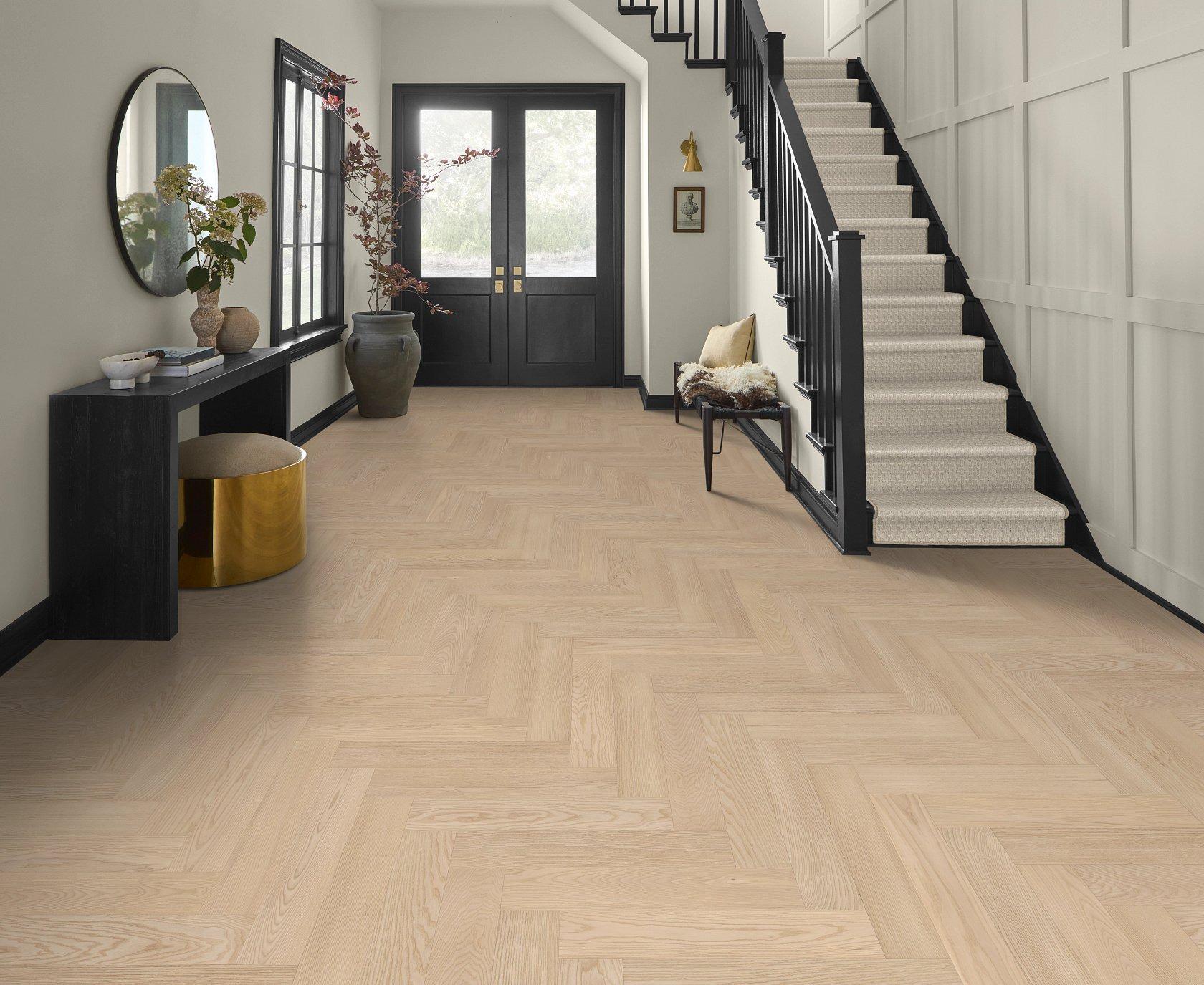
Radiant floor heating changes one important part of the flooring decision: the finished floor becomes part of the system that heat must travel through before reaching the room. Flooring construction, installation requirements, and the other layers in the floor assembly can all affect which products are appropriate.
There isn't one best flooring material for radiant heat in every home. Compatibility depends on the specific flooring product, heating system, installation method, and manufacturer requirements. Floor Coverings International of Lake Norman, NC® can help you compare flooring choices for your project and identify products designed for use with your planned or existing radiant-heating system.
Schedule An In-Home Consultation
Why Some Floors Transfer Heat More Easily Than Others
Flooring materials vary in how readily they allow heat to move through them. Dense materials with relatively low thermal resistance generally transfer heat more readily, while materials or layers with greater insulating properties can slow that transfer.
The finished flooring isn't the only factor. Underlayment, padding, adhesives, and other components may also be part of the assembly. That's why choosing a heated North Carolina floor requires looking beyond the flooring category to the layers beneath it.
Product requirements matter, too. Two floors that look similar may have different instructions or limitations for use with radiant heat, making manufacturer approval an important part of the selection process.
Tile Is a Natural Place to Start
Ceramic and porcelain tile are commonly considered for rooms with radiant floor heating because tile transfers heat effectively and doesn't create the same insulating effect as some thicker flooring materials.
The complete installation still matters. The heating system, substrate, installation materials, and tile assembly need to work together. If you're planning tile installation in Cornelius, NC, over a heated-floor system, make sure the flooring and installation materials are appropriate for that application.
Tile also offers a wide range of sizes, colors, patterns, and visuals, so compatibility with radiant heat doesn't require giving up design flexibility.
Wood Requires a Product-by-Product Look
Wood flooring requires more careful evaluation because wood naturally responds to changes in temperature and environmental conditions. Both solid and engineered wood products may have specific requirements or restrictions related to radiant heating.
Engineered wood is often worth considering because its layered construction differs from solid hardwood, but construction alone doesn't guarantee compatibility. If you prefer genuine wood and are looking for the best material for heated floors, narrow the search to products approved for the particular application.
Before selecting a wood floor, check:
- Whether the manufacturer approves the product for radiant heat.
- Any temperature limitations specified for the flooring.
- Which installation methods are permitted.
- Requirements involving the subfloor or heating system.
Checking the individual product is more reliable than assuming that all solid or engineered wood will perform the same way.
Vinyl and Laminate Can Work, but Check the Specifications
Some vinyl and laminate flooring products are designed for installation over radiant-heating systems. Others may have restrictions, so compatibility should be confirmed for the specific product rather than assumed based on the flooring category. Manufacturer instructions may address maximum temperatures, approved underlayments, installation methods, or other conditions that need to be followed.
Vinyl and laminate can offer many wood- and stone-inspired visuals, making them worth considering when you want a particular look but don't necessarily want the corresponding natural material.
Carpet Adds Another Layer Between the Heat and the Room
Carpet can also be an option over some radiant-heating systems, but the carpet isn't the only material to evaluate. The padding beneath it contributes to the overall thermal resistance of the floor assembly.
A carpet-and-pad combination with greater insulating properties can make it harder for heat to move into the room. If carpet is your preference, look for products and padding suitable for use with the radiant system and follow the requirements provided by the flooring and heating-system manufacturers.
Don't Forget What's Under the Finished Floor
The layers below your flooring can be just as important to the overall project. Homeowners researching insulation for floors in North Carolina may encounter recommendations intended to direct heat toward the finished floor rather than allowing unnecessary heat loss below the heating system.
The appropriate insulation and floor assembly depend on the building and type of radiant-heating system. Those decisions should be coordinated with the qualified professionals responsible for the heating system, insulation, or other parts of the structure.
When it's time to select the visible flooring above that assembly, make sure your flooring professional knows radiant heat is part of the project. It gives them important context for the flooring you're considering.
Installation Requires Coordination With the Heating System
A floor that's approved for radiant heat still needs to be installed according to its manufacturer's requirements. The flooring installer should know about the heating system before installation begins so relevant product and installation specifications can be taken into account.
When comparing flooring installers in Mooresville, NC, ask about installing the particular flooring you're considering over radiant heat and how its manufacturer requirements will be addressed. Depending on the project, coordination may also be needed with the professional responsible for the radiant-heating system or other parts of the floor assembly.
Confirm in advance which professionals are responsible for the flooring, heating system, and any other work involved in the floor assembly.
Compare Radiant-Heat-Compatible Flooring in Your Home
If radiant heat is already installed or planned, mention it at the beginning of your consultation with Floor Coverings International of Lake Norman, NC®. Your Design Associate can use that information when helping you narrow the flooring products you want to consider.
Our Mobile Flooring Showroom® brings samples to your home, where you can compare compatible tile, wood, vinyl, laminate, carpet, and other possibilities. Once you've selected your flooring, your Design Associate can professionally measure the project area and prepare a free, down-to-the-penny quote based on your selection.
Call (704) 577-5141 to schedule a free in-home consultation with Floor Coverings International of Lake Norman, NC®.