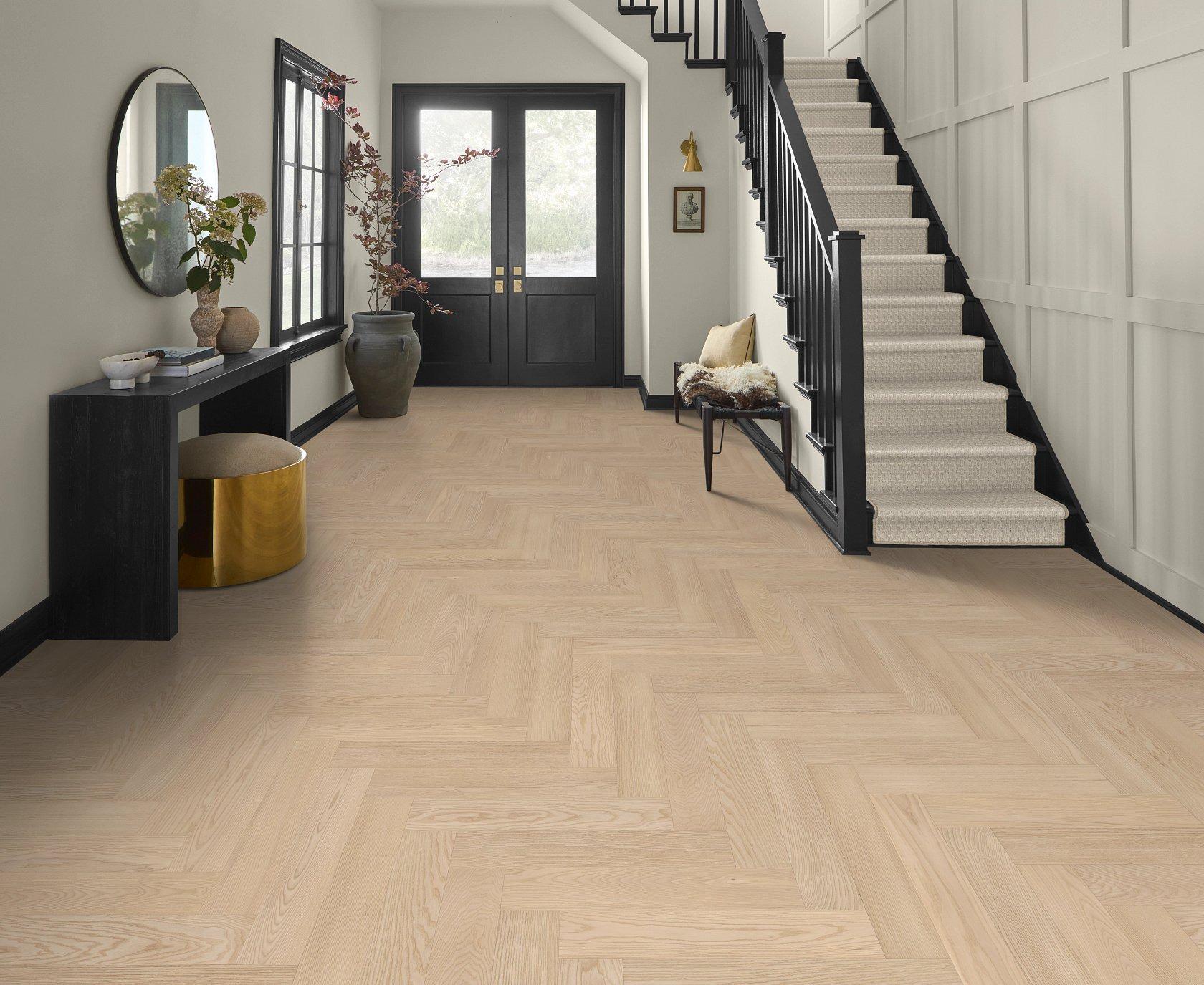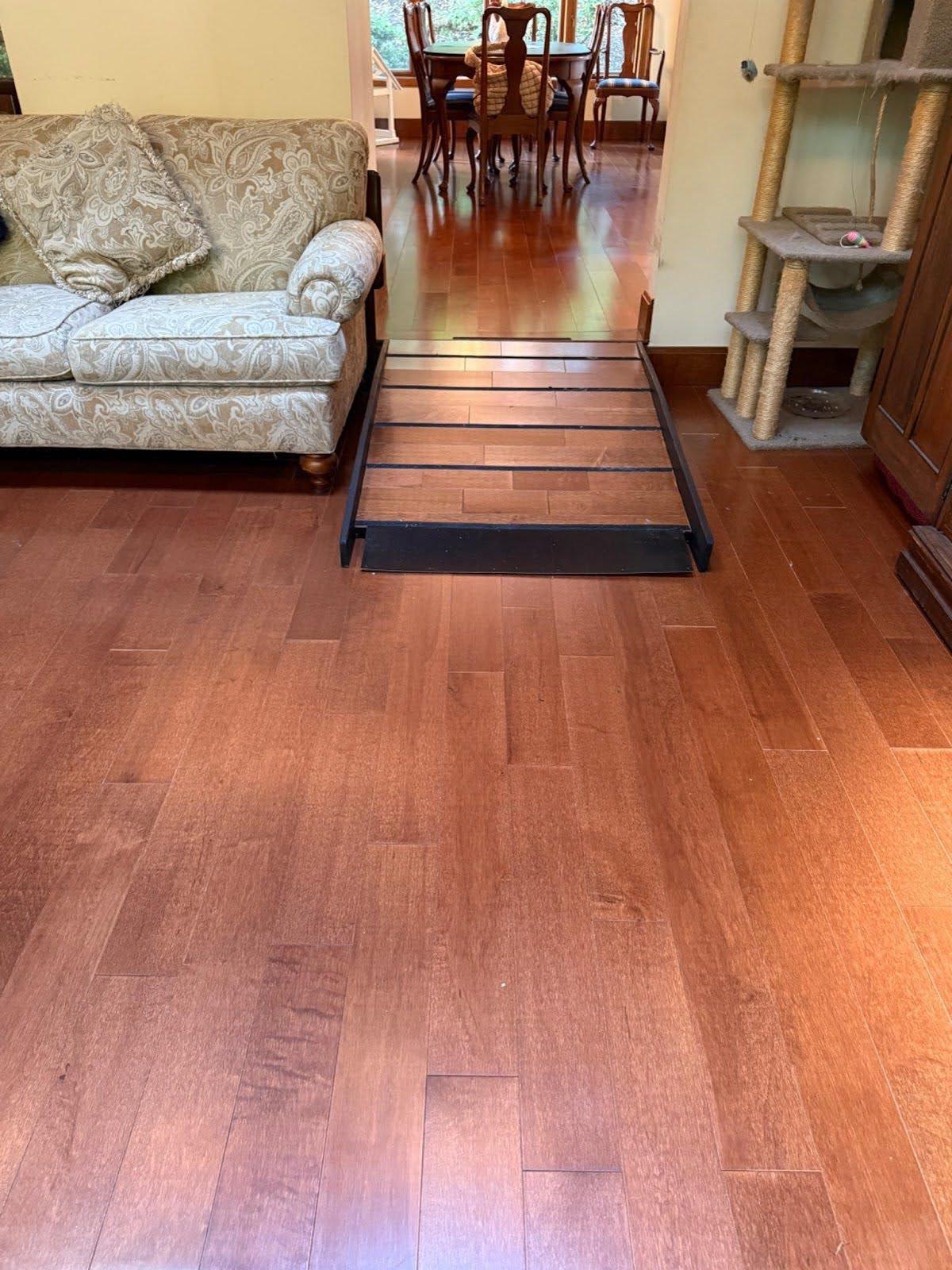
In communities like Birmingham, Bloomfield Hills, Rochester, and Rochester Hills, it's common to find multiple generations of flooring layered over the original subfloor. Homeowners may discover vinyl installed over hardwood, previous sheet flooring, or old adhesives that require additional care during removal.
If you're considering removing vinyl flooring before installing something new, it helps to understand what you're working with before reaching for a scraper. Whether you're researching how to remove vinyl flooring, pulling up vinyl flooring, or planning a complete renovation, a little preparation can help prevent costly surprises. Floor Coverings International of Bloomfield Hills, MI® can help you plan for the flooring that comes next and understand the installation requirements of the products you're considering.
Schedule An In-Home Consultation
Before Removing Anything, Identify the Existing Floor
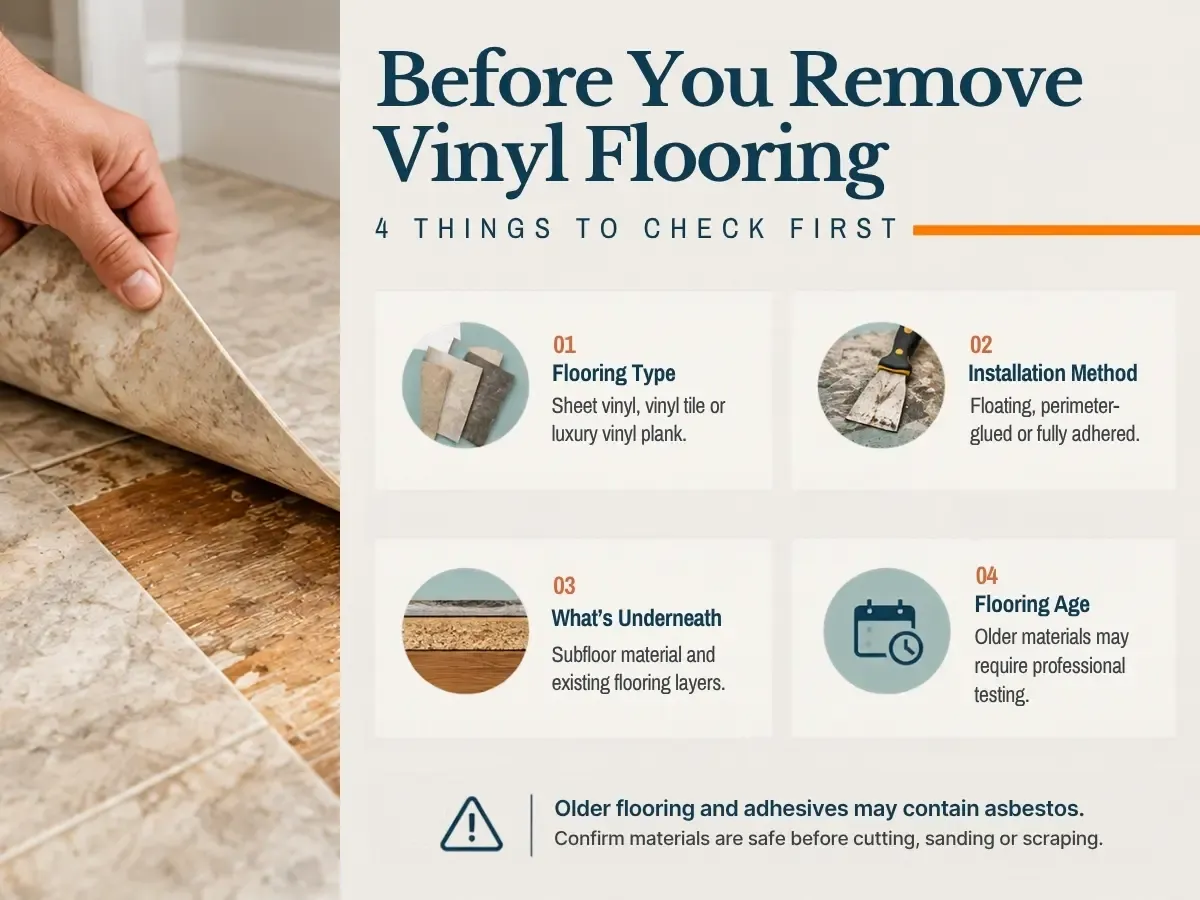
Before deciding how to remove vinyl flooring, take a close look at the material itself. Sheet vinyl, vinyl tile, and luxury vinyl plank aren't necessarily installed the same way, which means they often require different removal methods.
If you're researching removing lino flooring, make sure you're actually dealing with vinyl. Many homeowners use the terms interchangeably, but linoleum and vinyl are different products and may require different approaches.
The age of the flooring matters, too. Some older resilient flooring products and adhesives may contain asbestos. If you're unsure when the floor was installed, avoid cutting, sanding, or scraping the material until you've determined whether testing or professional guidance is appropriate.
Find Out How the Floor Is Attached
The process for taking up vinyl flooring depends largely on how it was installed. Some floors float over the subfloor, while others are glued down around the perimeter or fully adhered.
Before getting started, determine:
- What type of flooring you're removing
- Approximately when it was installed
- How it appears to be attached
- What type of subfloor is underneath
- Whether multiple flooring layers are present
Knowing these details can help you choose the best way to remove vinyl flooring while minimizing potential damage to the surface below.
Could There Be Hardwood Beneath Your Vinyl Flooring?
Many homeowners in Birmingham, Rochester, and older areas of Bloomfield Hills are surprised to discover original hardwood flooring hidden beneath vinyl.
While uncovering hardwood can be exciting, its condition depends on factors like moisture exposure, adhesive residue, previous repairs, and how long it has been covered. If you're hoping to restore an existing wood floor, it's worth evaluating the surface before beginning vinyl floor removal.
Our professional hardwood refinishers can help you assess the condition of the wood and determine whether refinishing is a practical option.
How to Remove Sheet Vinyl
If you're researching how to remove sheet vinyl, start by confirming that the flooring and adhesive are safe to disturb.
After removing any necessary trim or transitions, you may be able to lift an edge of the flooring and work it free from the subfloor. Cutting large sheets into smaller, manageable sections can often make the process easier.
If you're wondering how to get vinyl flooring up and it isn't releasing easily, avoid using excessive force. Older installations are sometimes firmly bonded to the substrate, and aggressive removal can damage the subfloor or leave significant adhesive behind.
Adhesive May Be the Bigger Challenge
In many cases, the flooring itself comes up more easily than the adhesive underneath.
After pulling up vinyl flooring, you may still have backing material or adhesive residue left on the substrate. The appropriate removal method depends on the type of adhesive, the condition of the subfloor, and the flooring being installed next.
Rather than assuming one solution works for every situation, follow manufacturer recommendations and avoid methods that could damage the surface below.
How to Remove Vinyl Flooring From a Concrete Floor
Homeowners frequently search for how to remove vinyl flooring from concrete floor surfaces, especially when renovating finished basements.
In Bloomfield Hills and Rochester Hills, vinyl is commonly installed over concrete slabs. Once the flooring is removed, it's important to inspect the concrete for adhesive residue, uneven areas, moisture concerns, and other conditions that could affect the replacement floor.
Preparing the concrete correctly is just as important as removing the old material.
What's the Best Way to Remove Vinyl Flooring?
There isn't a single best way to remove vinyl flooring in every home. A floating vinyl plank floor installed recently presents a very different project than decades-old sheet vinyl that has been fully adhered to the subfloor.
Some vinyl floor removal projects are manageable DIY jobs. Others become more complicated because of multiple flooring layers, stubborn adhesives, damaged substrates, or unknown older materials.
If removing vinyl flooring becomes more involved than expected, it may be worth stopping before causing damage and consulting a flooring professional.
When It May Make Sense to Skip DIY Removal
For larger homes in Bloomfield Hills and Birmingham, taking up vinyl flooring can become a significant undertaking. Multiple layers of flooring, extensive adhesive removal, and subfloor repairs can quickly add time and complexity to the project.
Many homeowners choose professional assistance to avoid damaging the substrate and keep their renovation moving forward. Our team can remove existing flooring and prepare the space for installation of your replacement floor.
Think About the Floor Going In Next
Removing the old floor is only half the project. The surface underneath must also be ready for whatever comes next.
Whether you're shopping for new flooring in Bloomfield Hills, MI love or considering a new vinyl floor in Rochester Hills, the right option depends on your room, lifestyle, design goals, and installation requirements.
Homeowners throughout Bloomfield Hills, Birmingham, Rochester, and Rochester Hills commonly consider:
Planning for the replacement floor before demolition begins can help ensure a smoother installation process.
Ready for What Comes After the Old Floor?
Whether you're updating a historic Birmingham home, replacing basement flooring in Rochester Hills, or renovating a newer property in Bloomfield Hills, Floor Coverings International of Bloomfield Hills, MI® can help you find the right flooring for your space.
Our Mobile Flooring Showroom® brings flooring samples directly to your home, allowing you to compare options in your own lighting and alongside your existing décor.
Call (248) 469-4264 today or schedule a free in-home consultation with Floor Coverings International of Bloomfield Hills, MI®.