Upgrading the flooring in retirement homes is a significant investment in resident safety and satisfaction with real implications on your business’s growth. As Plano’s experienced assisted-living flooring contractors, we’ve put together several important considerations to help facility managers narrow down their choices and find the best materials to ensure durability and safety while keeping day-to-day maintenance manageable for their teams.
If you’re planning to replace your facility's flooring, start your search with Floor Coverings International® of Plano’s assisted living flooring trends and tips!
A Guide to Flooring for Assisted Living Facilities
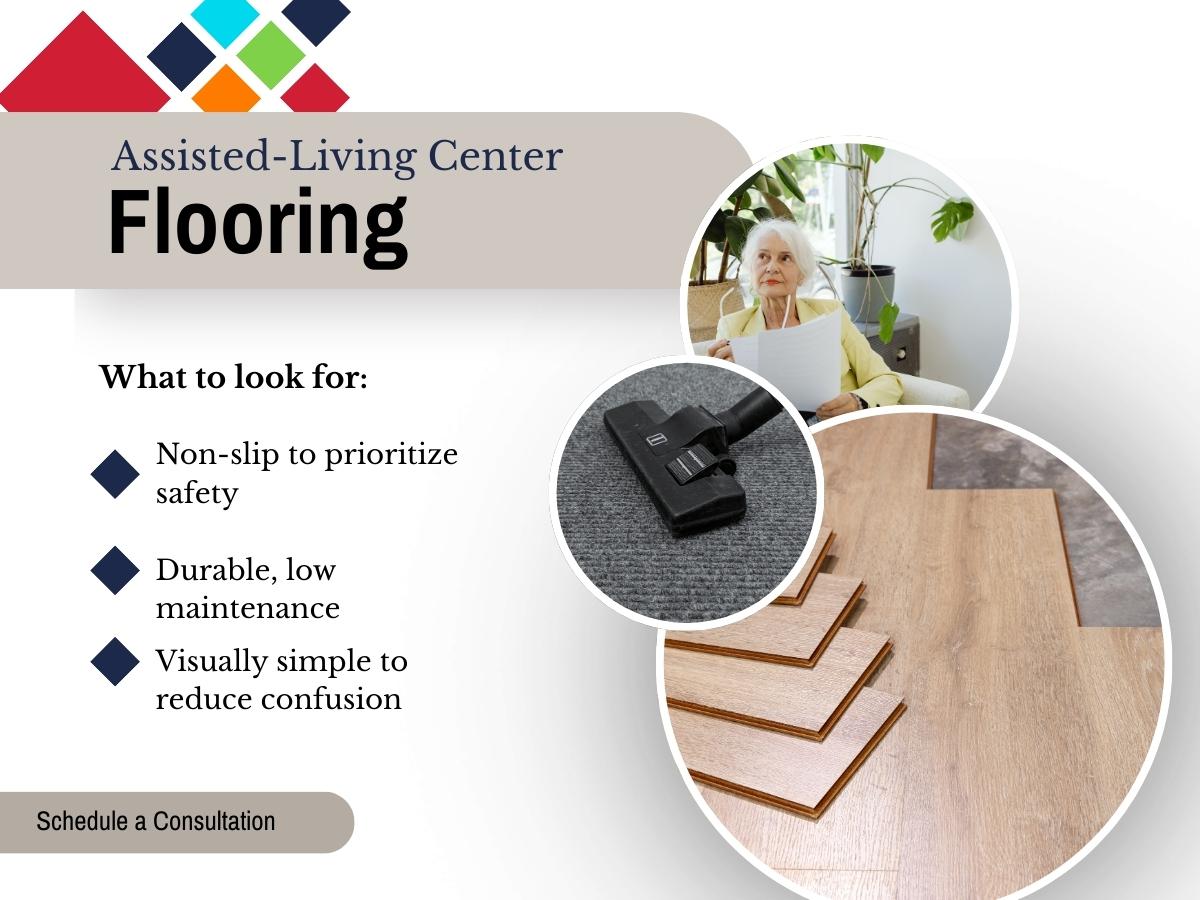
Replacing the flooring for a single wing or an entire facility requires careful material selection, planning, and expert installation to ensure years of worry-free use. Some of the most important considerations for selection include:
- Safety: Flooring must be slip-resistant and minimize impact on walker and wheelchair use.
- Maintenance: The material must be easy to clean and withstand daily cleaning to maintain excellent hygiene standards.
- Visibility: High-contrast color blocks may help wayfinding for seniors, while low-contrast patterns and designs tend to be less confusing for individuals with dementia or vision impairment.
- Durable: In addition to withstanding high-frequency cleaning, flooring must hold up to high traffic, moisture, and seasonal salt and grit (in many climates) for years.
Our Favorite Assisted Living Flooring Solutions
There’s no one-size-fits-all option for retirement homes, although three materials certainly stand out.
Vinyl: Luxury plank and tile flooring offer an expansive array of colors and patterns packaged in the durable, water-resistant form of today’s commercial vinyl flooring products. Mixing LVP and LVT provides space-defining contrast to shared areas and resident quarters alike while minimizing reliance on hard concrete flooring.
Choosing a texture LVT or LVP product adds traction, reducing fall risk in small bathrooms and closets. Sheet vinyl flooring is a cost-effective option for large spaces, such as community rooms or hallways.
Carpet: Low-pile, high-density commercial carpet adds a degree of softness (and safety) for seniors, especially those using walkers or wheelchairs. Choosing a dense, thin carpet pad provides additional cushioning, and many commercial carpets are available with an anti-slip treatment.
Carpet is best reserved for resident quarters or shared spaces away from entrances to reduce moisture exposure.
Laminate: Like vinyl, many commercial laminate flooring products are available with a realistic, textured surface to increase grip. While rain isn’t always a top concern in Texas (dust and dirt tend to have a bigger impact on floor durability), always lean toward water-resistant or waterproof laminate near entryways, bathrooms, or areas with a high risk of spills or leaks.
Laminate and vinyl are often considered interchangeable, but that’s rarely the case. Contact Floor Coverings International® of Plano to explain the difference between specific products and make expert recommendations based on your facility’s needs and budget.
What Is the Safest Flooring for Seniors?
Textured luxury vinyl tile (LVT) is considered one of the best non-slip flooring options for seniors because it is stable, provides grip without hindering wheelchair or walker use, and is more water-resistant than carpet or laminate. While certainly a hard surface, LVP is surprisingly forgiving underfoot, making it a well-rounded option for assisted living facilities and retirement homes.
3 Tips to Improve Your Retirement Home Flooring Upgrade
No two projects are alike, but there are a few ways to ensure your flooring project is cost-effective, stays on schedule, and minimizes the impact of installation on residents.
- Keep it simple: Choose simple patterns with high-contrast colors to reduce mental strain on seniors and individuals with dementia. Lean into large block patterns and matte finishes for hallways, dining areas, and common spaces.
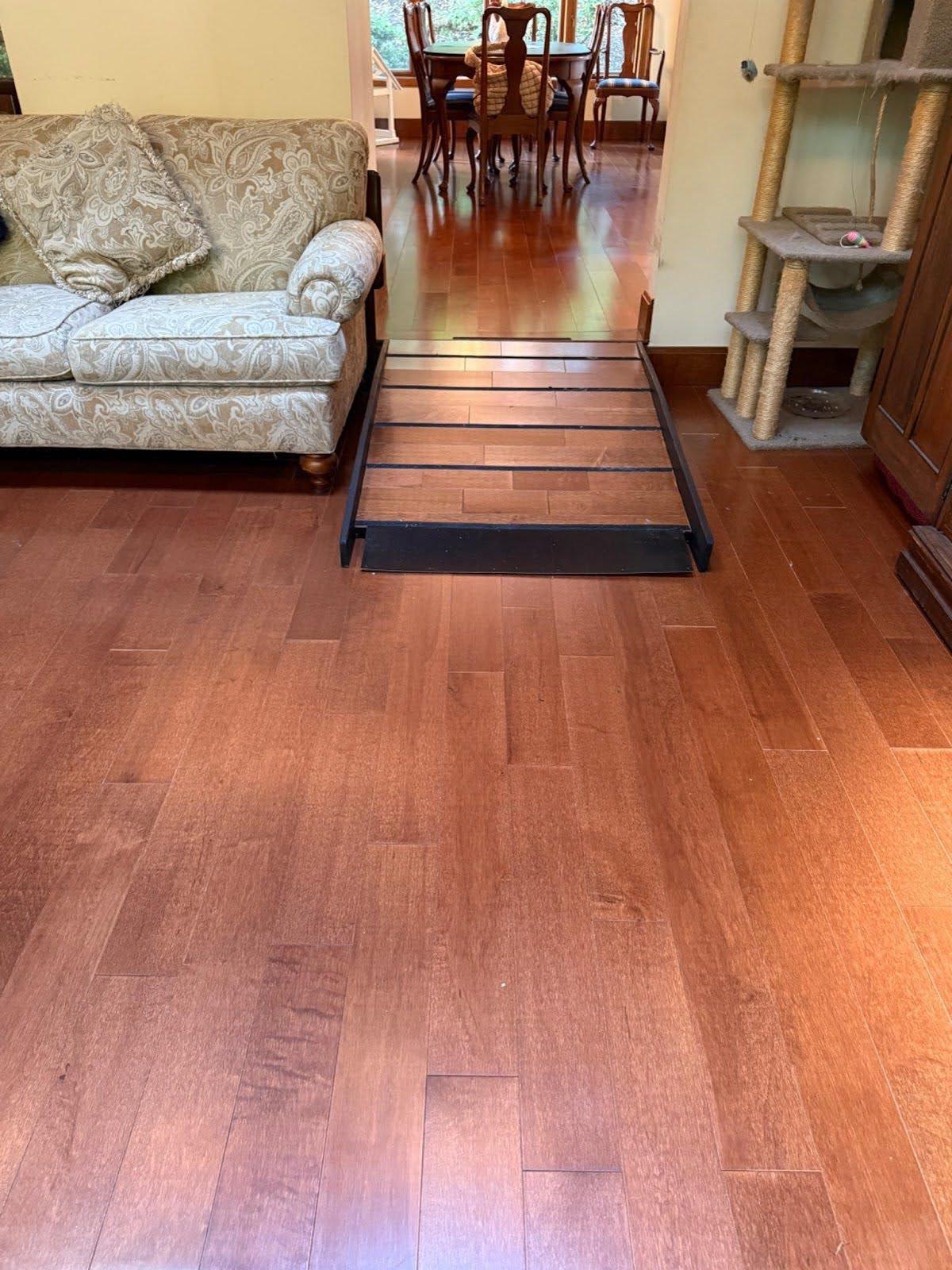
- Keep it smooth: Transitions between flooring materials are sometimes even or raised, which increases the risk of falls. Use application-specific transitions between materials and always work with an experienced flooring contractor with plenty of positive reviews.
- Plan ahead: While it isn’t easy to accommodate all residents, try to schedule installation in phases that minimize disruption. Avoid late summer and early fall, when most facilities tend to have more residents move in, and schedule work to finish early in the day to avoid evening noise. Always keep windows and doors open during installation to prevent VOCs and off-gassing from disturbing residents.
Elevate Your Plano Senior Care Facility with the Right Floors
Plano-area assisted living centers and retirement homes invest time, energy, and passion into providing exceptional care. Choosing the right flooring is a foundational component of providing a safe, enriching space for residents and peace of mind for their families. Start your project by scheduling a free, no-obligation consultation or calling (214) 707-4988 today!