Since cold floors are one of the worst parts of a Minnesota winter, choosing the right, warm materials is a practical investment you’ll appreciate every time the temperature plunges.
So, let’s explore whether carpet is your best bet for staying cozy compared to other floors. Along the way, we’ll cover the top-performing materials and styles for snowy conditions, and discuss the question: Does carpet dry faster in heat or cold? And how can you use that knowledge to protect your floors?
When you’re ready to explore samples and find the perfect floors to keep your Maple Grove home warmer through winter, Floor Coverings International of Maple Grove, MN® offers quality materials, professional insight, and the best carpet installation in MN.
Schedule An In-Home Consultation
Finding the Best Floors for Cold Weather: Carpet vs. Other Floors
When you’re planning a flooring upgrade in Maple Grove, winter weather needs to be part of the conversation. Tracked-in slush, snow, and salt ruin many surfaces, but if you only install hard surfaces that don’t mind the cold, odds are, your floors will also be chilly. Let’s compare a few top materials to find the warmest floors for winter:
Tile vs. Carpet
Although porcelain and ceramic tile are great for entryways, the flooring is remarkably cold for flooring the entire house. Why is that? Why do tiles feel colder than carpet? Tile conducts heat well, transferring the heat from your warmer feet to the colder subfloor, which makes the tile feel cool. Carpet, on the other hand, is an insulator with thick fibers that trap heated air to make a space feel warmer for longer.
Wood Floors vs. Carpet
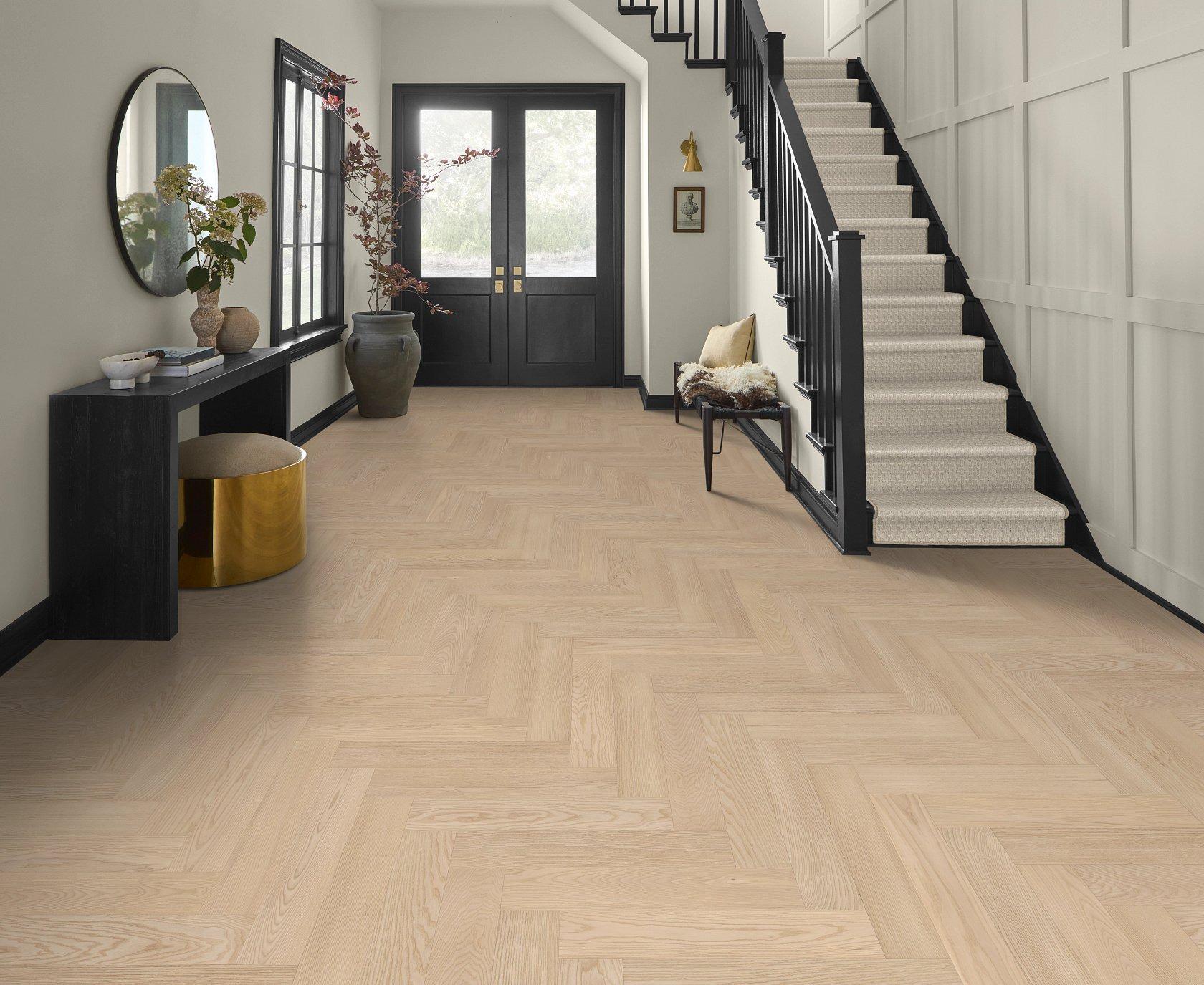
For Maple Grove homes, hardwood is full of natural texture and warm tones that make the home feel cozy through long winters. But, is wood flooring colder than carpet? Somewhat, yes. Although wood flooring absorbs and holds heat, it doesn’t insulate as well as carpet.
Carpet vs. Vinyl Flooring
Luxury vinyl has grown in popularity for its striking looks, water resistance, and climate stability that prevents warping even with harsh freeze-thaw cycles. Many other hard surfaces are considered colder than vinyl, but is vinyl flooring colder than carpet? Yes, vinyl is generally colder since carpet has both dense fibers and thick padding to hold in heat, while vinyl typically only has a padded underlayment to help warm the floors.
Laminate vs. Carpet
Laminate is another popular flooring for its clean, wood looks, practical maintenance, and affordable price. Is laminate flooring colder than carpet? Yes, laminate doesn’t offer insulation to trap heat like carpet does.
The Best Carpet Fibers for Cold Climates
We’ve already established that carpet is a great option for keeping your home warmer through cold winter months. The floors act as an extra layer of insulation on your floors and absorb sound to keep the home quieter and more peaceful as everyone stays in from the cold. However, not every carpet material is built to handle our harsh winters.
Here are materials to look for when you’re shopping for a carpet for snowy conditions:
- Nylon for busy homes: The fiber is incredibly resilient and bounces back from heavy foot traffic. It’s also known for its stain resistance, which makes it a great option for high-traffic areas and active families. Nylon is often prone to static in dry winters, but modern treatments and a good humidifier usually keep that in check.
- Polyester for plush comfort: This material is super soft for bedrooms or low-traffic areas. It’s naturally stain-resistant and less likely to gather static; however, polyester doesn’t hold up well in high-traffic areas and quickly shows traffic lanes in areas that get heavy use.
- Triexta: This newer material is gaining in popularity in Maple Grove homes. The flooring offers the durability of nylon with built-in stain resistance that doesn’t wash away. It’s soft, durable, and excellent for family rooms.
- Wool for a premium natural choice: The natural fiber is loved for its warmth and insulation. The floors feel incredibly soft and handle humidity well. However, wool carpets are typically more expensive and require more care to protect against stains.
Style Also Impacts Winter Carpets
The carpet style offers structure to keep the fibers in shape and looking great despite severe winter conditions. Here are a few of the best options for winter carpets:
- Frieze: With tightly twisted fibers creating a dense, springy surface, the carpet works well in high-traffic hallways, handles tracked-in snow without matting, and is soft to walk on.
- Textured fibers: These carpets often have shorter, kinked yarns that prevent crushing and matting.
- Looped carpets: The tiny looped fibers trap extra heat, and the patterned construction offers a durable structure to handle snowy boots.
- Plush or Saxony carpets: When you’re creating a warm, cozy retreat, plush carpet is an ideal option. The cut-pile floors have densely packed fibers that feel warm and velvety. This style is best suited for lower-traffic spaces.
Why Is My Carpet Cold?
Maybe you installed carpet, expecting it to warm the room, but for some reason it always feels freezing. If you’re asking, “Why does my carpet feel cold?” One of the most likely reasons is that your material is sitting over concrete subfloors or unheated crawl spaces and doesn’t have the right padding or thermal break to prevent the cold from creeping in.
The Right Padding for Winter
What carpet pad is best for cold floors? For Maple Grove winters, look for a high-density, 3/8-inch thick pad that has the right level of cushion for comfort and insulation, but is dense enough to prevent the carpet backing from flexing too much and breaking down under heavy foot traffic. For basements or rooms over unheated spaces, consider a pad with a built-in moisture barrier or an insulating fiberboard layer to block cold concrete chills.
How to Dry Damp Carpets in Cold Weather
Slush and snowmelt bring plenty of moisture inside through the winter, and it often melts right into your floors. Any other time of year, you might dab up the water with a towel and let the rest evaporate, but how well does that work in the winter? After all, does carpet dry better in cold or warm air? Cold air significantly slows down the drying process because it slows down evaporation.
So, can carpet dry in cold weather? Absolutely, but it takes a bit more intervention. Here are a few tips for drying your carpet in the winter:
- Turn up the heat: Since warmer air holds more moisture, increasing the heat around the carpet will pull out moisture faster.
- Use fans: Set up box fans or ceiling fans to move air over the carpet.
- Run a dehumidifier: This way, you’ll pull excess moisture out of the room and carpet fibers.
- Manage ventilation: Another possible solution is to slightly open a window to allow dry, cold air in. As the air warms in your home, it will have more capacity to hold moisture and may help pull moisture out of the carpet.
Make Your Home Winter-Ready with Cozy Carpet
By choosing the right carpet for Maple Grove winters, you invest in year-round comfort. Nylon and triexta offer the best durability for high-traffic snowy areas, while polyester works well for low-traffic bedrooms. Installing the right dense, moisture-resistant padding prevents subfloor chill, and knowing how to dry your floors in the winter protects against early wear, moisture damage, and wet, uncomfortable floors.
For Maple Grove homeowners who want expert guidance, quality materials, and local knowledge all in one stop, the best place to buy carpet in MN is with our team at Floor Coverings International of Maple Grove, MN®. We’ve helped hundreds of homeowners throughout the area update their homes with beautiful winterproof floors.
Every Maple Grove home is different, so reach out for a free in-home consultation or call (763) 373-4710, and we’ll help you customize a winter-ready flooring solution that fits your space perfectly.