If you’ve lived here long enough, you know the Cape can wear heavily on a home. All the humidity, sand, and occasional nor’easter mean our floors take a real beating. That's why sustainability isn’t just about being green. It's about being smart.
Sustainable flooring options today are engineered to handle our unique coastal climate while using fewer resources, lasting longer than many traditional materials, and producing lower carbon emissions from flooring production. Less waste, fewer replacements, and a floor that actually holds up against grit tracked in from the beach? That's not just for the planet; that’s good common sense for anyone living on the Cape.
So, what is the most environmentally friendly flooring?
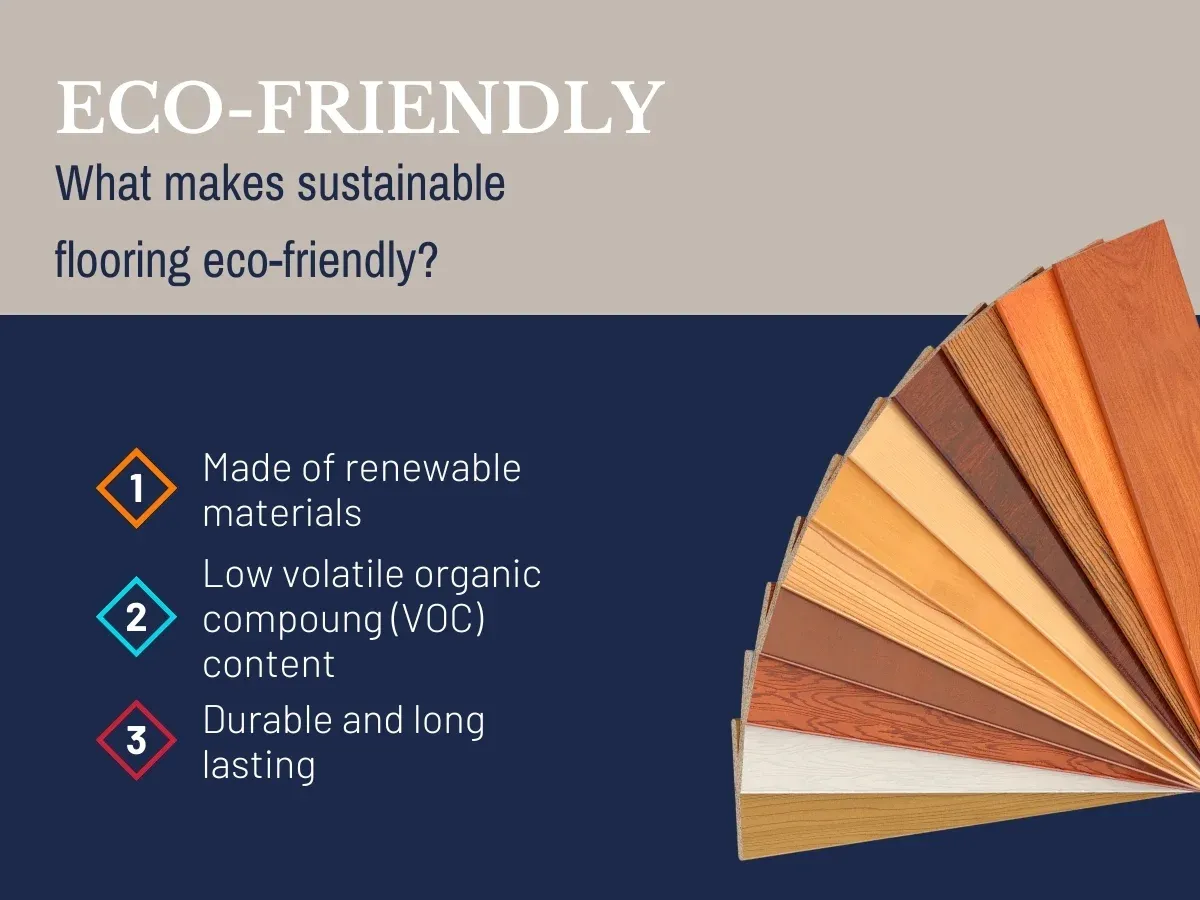
Here we'll cover some of the best eco-friendly sustainable flooring materials for green building projects, so you can have a clear conscience as you choose beautiful, new floors.
If you’re ready to explore sustainable flooring solutions, our team at Floor Coverings International® of Cape Cod, MA, offers convenient, one-on-one consultations to help you find the best fit. Contact us for a free in-home consultation today.
Sustainable Flooring Options for Your Home on Cape Cod
Sometimes the most sustainable flooring materials aren’t new. In fact, reclaimed and repurposed materials are some of the best options. Not only can you save wood that might have otherwise ended up in a landfill, but you’ll get floors with rich character and a story to tell.
When you’re looking for sustainable flooring materials, consider:
- Reclaimed materials.Think old barn wood, salvaged beams, or material rescued from decommissioned factories. These are some of the most eco-friendly flooring options for Cape Cod homeowners who love the charm of older things.
- Natural materials. There are several naturally sustainable floor coverings, including cork, bamboo, and natural stone, that are grown or harvested with little environmental impact and durable enough to last decades.
- Low-VOC materials. It’s common for adhesives, sealants, and synthetic materials to have volatile organic compounds (VOC). The chemical off-gassing can have a strong impact on the air quality of your home. That's why low-VOC flooring options, like hardwood, ceramic tile, and various natural materials, are popular in Cape Cod homes.
Bamboo Flooring
Is bamboo flooring environmentally friendly? Yes, Bamboo is a fast-growing grass that regenerates quickly, making it one of the most sustainable flooring options and a renewable alternative to traditional hardwood. And since Bamboo regenerates without replanting, there's less land disturbance, less water waste, and no need for heavy replanting equipment.
Strand-woven bamboo is especially durable and handles heavy foot-traffic, which makes it a great option for Cape Cod homes with guests coming and going all summer. Homeowners regularly choose these eco-friendly floors for spaces like living rooms, bedrooms, and dining areas away from constant moisture.
Cork Flooring
If you’re wondering, “Is cork flooring sustainable?” Yes, it’s perhaps one of the most environmentally-friendly flooring options.
Unlike many other wood materials, cork isn’t cut down—it's peeled. Harvesting cork involves stripping the bark from a cork oak tree, which then regenerates its bark over the next nine years and can be harvested again and again for over two centuries. The tree keeps standing, keeps absorbing carbon, and keeps providing habitat in its Mediterranean forests.
Here's why many Cape Cod homeowners love sustainable cork flooring:
- The material is resistant to warping.
- It's insulating and comfortable to walk on.
- The floors absorb sound to help soften the noise in open concept homes.
Reclaimed Hardwood
Reclaimed wood is an environmentally friendly wood flooring that gives old lumber a second life. By choosing sustainable hardwood flooring from wood that's salvaged from old barns or retired factories, you can reduce demand for newly harvested timber.
The character of reclaimed wood fits beautifully with coastal, farmhouse, and historic Cape styles. Plus, local homeowners appreciate how the older wood is often more dimensionally stable than fresh milled lumber.
FSC-Certified Hardwood
Let’s talk about carbon for a moment. Healthy, well-managed forests are among the best tools we have against climate change. They absorb CO2, filter our water, and help cool the planet. But not all forestry practices support that. Irresponsible logging degrades soil, releases stored carbon, and can take generations to recover.
FSC (Forest Stewardship Council) certified forestry does the opposite. It prioritizes the long-term health of the forest ecosystem and ensures trees are harvested at sustainable rates to make beautiful, environmentally friendly hardwood flooring.
Homeowners on the Cape appreciate this sustainable wood flooring because it offers the beauty of traditional hardwood while supporting responsible forestry.
Engineered Hardwood
Alongside FSC-certified hardwood, sustainable engineered wood flooring lets us be selective about what we harvest and more efficient with what we take. The flooring’s beautiful top layer is genuine hardwood, but it’s typically only a few millimeters thick. Everything beneath is high-performance plywood, made from fast-growing, responsibly harvested tree species. That means a single old-growth oak or maple can yield four or five times more flooring than it would if every plank were solid.
With its layered design, engineered wood is a more dimensionally stable eco-friendly flooring. This offers more flexibility than traditional solid hardwood, since the floors can be installed below grade, over radiant heat, or even directly onto concrete slabs.
Linoleum
True linoleum is made from natural materials like linseed oil, cork dust, and jute backing. This means it’s free of VOCs and questionable chemical off-gassing. The ingredients are renewable, the manufacturing process is remarkably low-impact, and, at the end of its very long life, linoleum biodegrades right back into the earth.
This environmentally friendly flooring is moisture-resistant, durable, and easy to clean, making it a smart option for kitchens, mudrooms, and laundry rooms on Cape Cod.
Eco-Friendly Luxury Vinyl Alternatives
While it’s not natural, there are several modern luxury vinyl options on the market that are manufactured with sustainability front and center. This includes recycled content incorporated into the core layers and low-VOC emissions that meet strict indoor air quality standards. Some brands are even closed-loop in their manufacturing, recycling their own production waste back into new, environmentally safe flooring.
Does it biodegradable like cork or linoleum? No. But for Cape Cod homeowners who need the waterproof durability of vinyl, choosing a responsibly made product with recycled content and clean chemistry is a genuinely better choice.
Flooring Sustainability Beyond Material
The most environmentally sustainable flooring isn’t so sustainable when it’s installed with toxic adhesives, or needs replacing in a decade. True flooring sustainability requires looking at the whole picture. Where was the material sourced? How far did it travel? What's it fastened with? And how long will it last?
These are a few tips for selecting truly sustainable floors:
- Choose low-VOC finishes and adhesives for better indoor air quality.
- Look for durability to reduce frequent replacement.
- Ensure proper installation to make sure your floors can handle seasonal humidity changes.
- Invest in longevity. A floor that lasts 20 to 30 years is often more eco-friendly than one replaced every 5 to 10 years.
Choose the Right Sustainable Floor for Your Home
On Cape Cod, sustainability is as much about practicality as it is about protecting the environment. Whether you prioritize natural materials, recycled content, or long-term durability, you can choose from eco-friendly flooring options that balance environmental responsibility with the everyday performance your home needs.
If you’re ready to explore a variety of sustainable flooring types, our team at Floor Coverings International® of Cape Cod, MA, is ready to explain your options and help you find the best eco-friendly flooring for your home.
To start your environmentally conscious flooring project, call us at (774) 228-5527 or schedule a free consultation today.