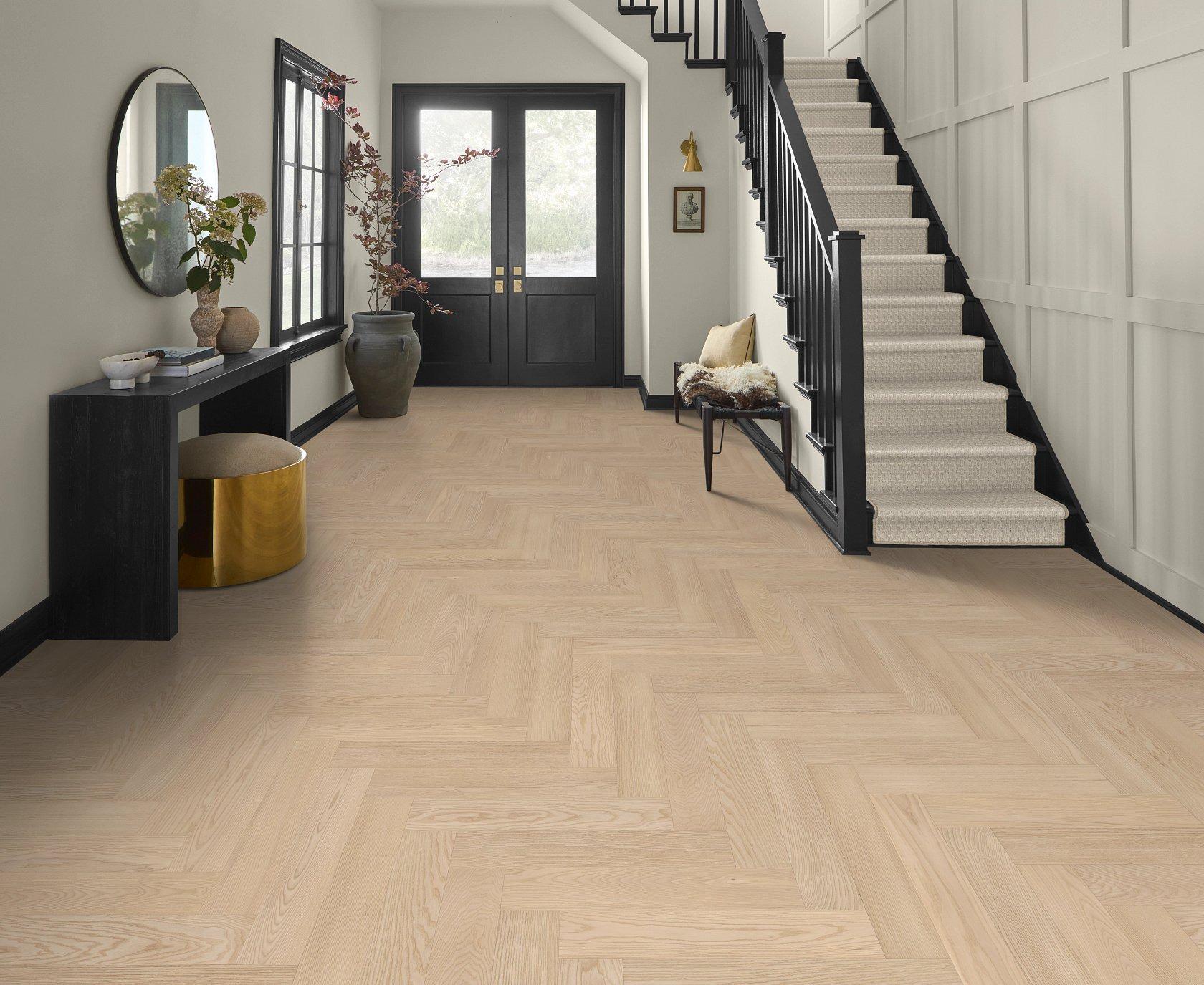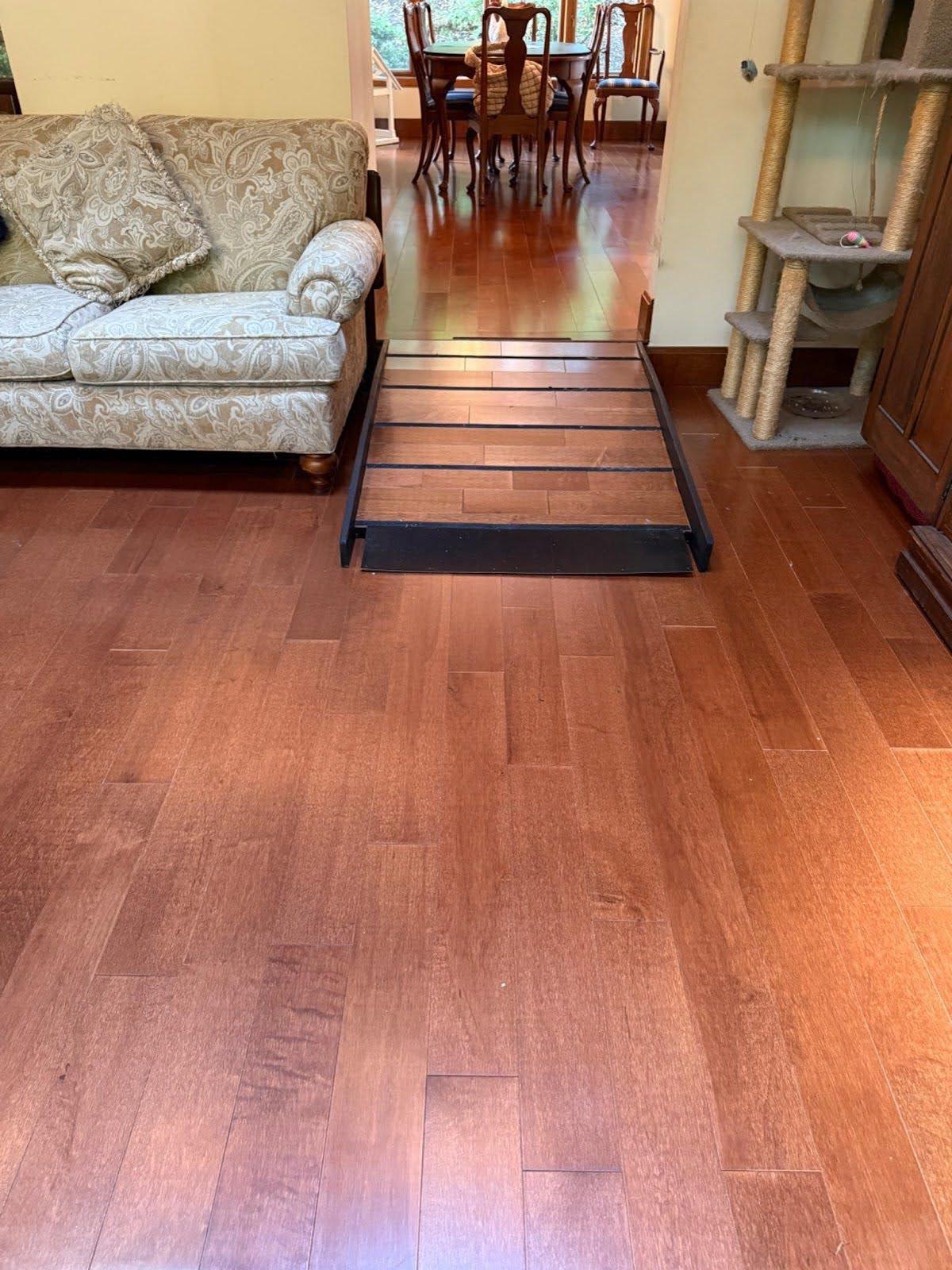
A hardwood floor can show plenty of age without being ready for replacement. Scratches, a dull finish, fading, and an outdated stain color may all change how a room looks, but some of those concerns can potentially be addressed without starting over. Other problems run deeper than the surface and may make new flooring the more practical choice.
The first step is figuring out what you actually want to fix. Is the wood mainly showing cosmetic wear? Are individual boards damaged? Has moisture affected the floor? Or are you ready for a different style altogether?
Refinishing and replacement solve different problems. Taking a closer look at the condition of your existing hardwood can help you determine which path deserves further consideration. If replacement turns out to be the right choice, Floor Coverings International® can help you explore what you want from the next floor.
Schedule An In-Home Consultation
When the Surface Is the Main Problem
Hardwood doesn't have to look new to remain worth keeping. A worn finish, surface scratches, fading from years of sunlight, or a stain color that no longer suits the room may point homeowners toward refinishing rather than replacement.
For someone exploring hardwood floor staining in Old Saybrook, CT, for example, changing the stain may be part of an appropriate refinishing project. The possible results depend on the type and condition of the existing wood, so a new color isn't guaranteed simply because the floor can be sanded.
The same applies to floor refinishing for Clinton homes that have accumulated years of ordinary surface wear. Refinishing works on the existing material. It doesn't correct every form of damage underneath the finish, which is why identifying the problem matters before deciding what to do.
Signs Your Hardwood May Need More Than Refinishing
Some floors need a closer evaluation before another round of sanding makes sense. None of these conditions automatically means the entire floor has to come out, but they can shift the conversation toward repair or replacement:
- Deep or extensive damage: Gouges or deterioration that extend well below the finish may remain after surface restoration.
- Significant moisture damage: Boards that have warped, cupped, buckled, or otherwise changed shape may have a problem that sanding alone cannot address.
- Multiple previous refinishing projects: How much additional sanding is possible depends on the floor's construction and current condition.
- Widespread board problems: Numerous loose, damaged, or unstable boards can make restoring the existing floor more complicated.
- A different vision for the room: A sound floor can still be replaced if you want a new wood species, plank size, construction, color, or overall style.
The condition of the floor as a whole matters more than any single scratch, stain, or damaged board.
Not Every Hardwood Floor Can Be Treated the Same Way
Before planning hardwood floor refinishing in Madison, CT, it helps to know what kind of hardwood is already installed. Solid hardwood and engineered hardwood are constructed differently, and engineered products themselves vary.
That distinction matters because sanding removes material from the floor's surface. With engineered hardwood, the thickness of the real-wood wear layer can affect what refinishing, if any, is appropriate. Previous sanding can matter as well.
If you don't know what's installed, identifying the flooring should come before assuming that refinishing is available simply because the surface is real wood.
Water Damage Changes the Conversation
Water can leave obvious discoloration, but the visible stain isn't always the full extent of the problem. Boards may swell, cup, separate, or change shape, and moisture can affect materials beneath the finished flooring.
That makes hardwood floor refinishing in Waterford a different question when water damage is involved. Sanding and applying a new finish address the wood's surface. They don't resolve an active moisture source or restore underlying materials that have been damaged.
Before focusing on appearance, the source and extent of the moisture problem should be addressed by a flooring professional.
A Damaged Area Doesn't Always Mean a Damaged Floor
A dropped object, isolated spill, pet damage, or another localized problem can leave one portion of an otherwise attractive hardwood floor looking noticeably worse than the rest.
Homeowners researching floor refinishing in Guilford, CT, may want to find out whether the affected area can be repaired or incorporated into a larger refinishing project before assuming every board needs replacement. Matching existing wood and finish can be a factor, particularly with older flooring that has changed in appearance over time.
On the other hand, widespread damage across several rooms creates a different decision. At that point, the work required to preserve the old flooring may need to be weighed against the opportunity to install something new.
Replacement Gives You a Different Kind of Choice
Once you've decided not to preserve the existing floor, you aren't limited to recreating it. A homeowner searching for a hardwood flooring contractor in Guilford, CT, may be replacing narrow, darker boards but prefer wider planks or a lighter look for the next floor. Others may want hardwood that coordinates differently with an open kitchen, hallway, or adjoining living space.
New flooring also lets you revisit the construction and product specifications rather than basing every decision on what was installed years ago. If you're planning hardwood flooring installation in Guilford, CT, this is the time to think about how the new floor should look and perform as part of the home today.
When Starting Fresh Makes More Sense
There's value in keeping an existing hardwood floor when its condition and construction make restoration the better choice. There's also no reason to treat replacement as a failure to save the old floor. Sometimes the damage is too extensive, the existing material isn't a good candidate for further refinishing, or a homeowner simply wants a different direction.
If you've reached that point, Floor Coverings International® can bring hardwood samples to your home through the Mobile Flooring Showroom®. Seeing new options alongside your cabinetry, trim, furnishings, and adjoining floors can make it easier to decide how much you want the new floor to resemble the old one, or how different you'd like it to be. Your Design Associate can then provide a free, down-to-the-penny quote for the selected flooring and installation.
Call (860) 943-4398 or schedule your free in-home consultation today.