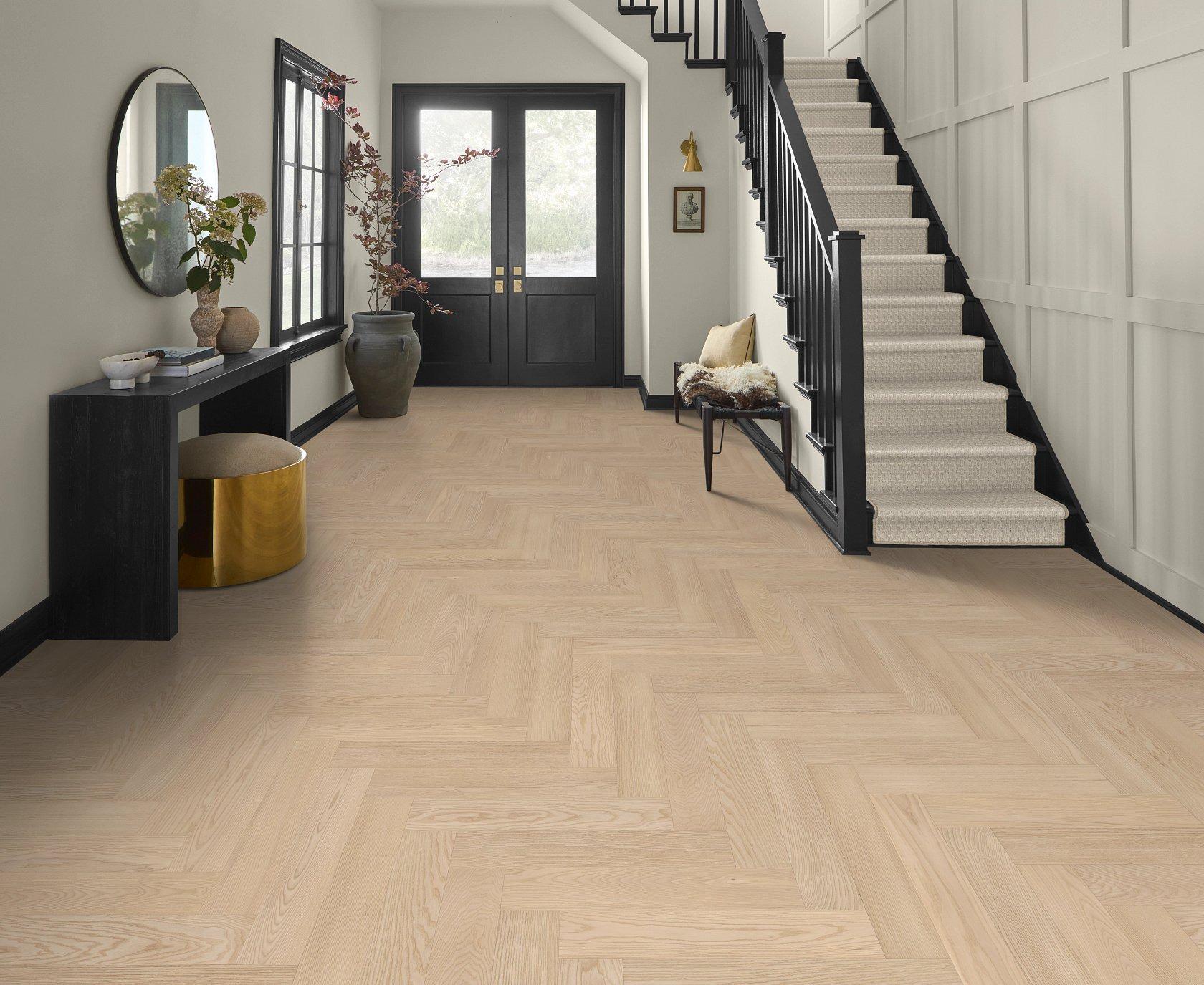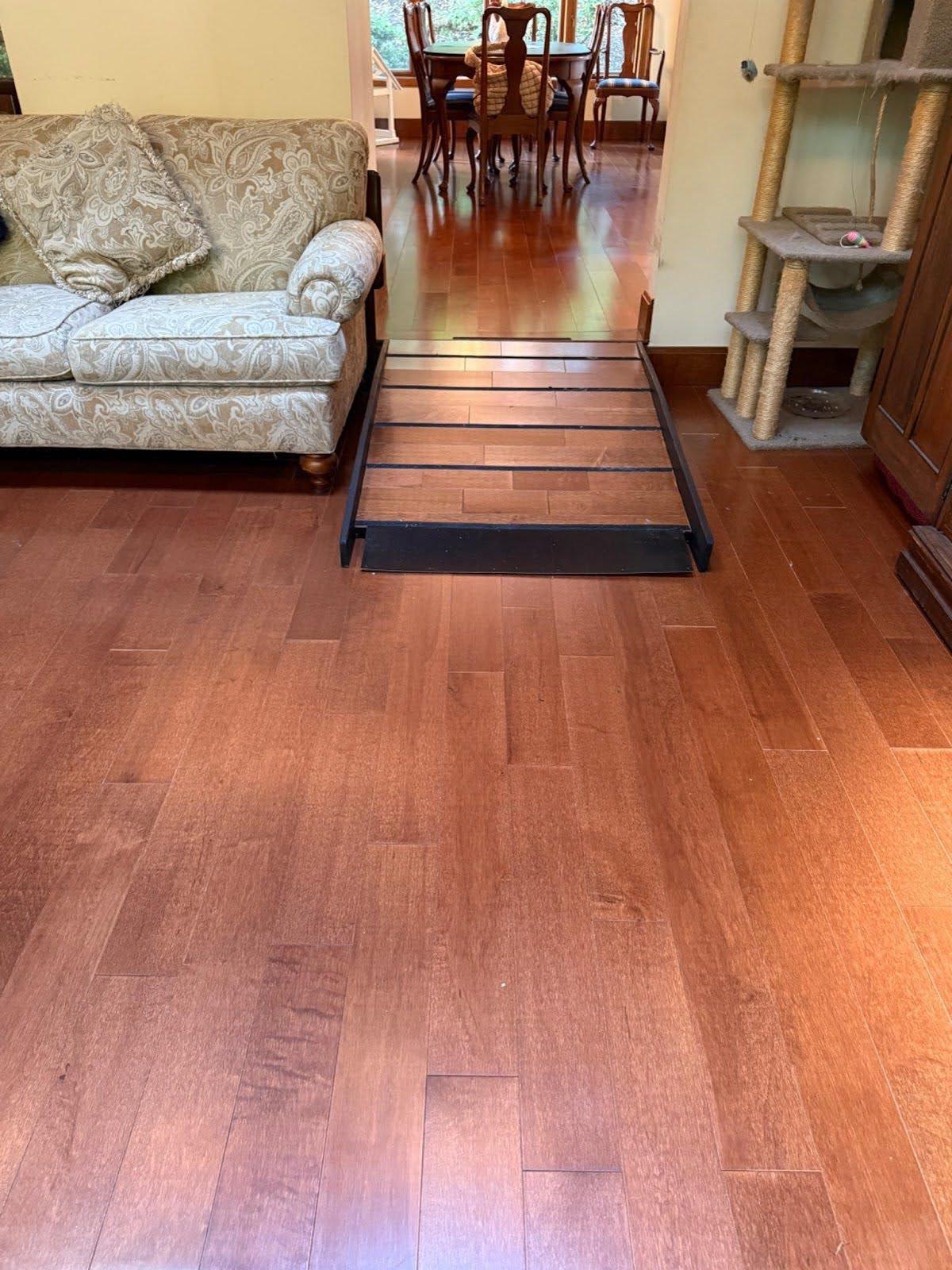
Wood flooring brings timeless warmth and elegance to any home, but it also reacts to the environment around it. In places like Madison, WI, where seasons bring both dry winters and humid summers, moisture levels can play a big role in how your floors look and perform.
Understanding the connection between wood floors and humidity helps you protect your investment and maintain that natural beauty for years to come.
Thinking about upgrading your floors? Schedule your free in-home consultation with Floor Coverings International® of Madison, WI today.
Why Moisture Matters for Hardwood
Wood is a natural material that expands and contracts as humidity changes. In the winter, indoor air becomes dry, causing boards to shrink and small gaps to appear. When humidity rises in summer, wood absorbs moisture and swells slightly.
So, does humidity affect wood floors? Absolutely. While this movement is normal, too much moisture or prolonged dryness can lead to problems such as cupping, warping, or cracking. Maintaining a consistent indoor climate is key to preventing these issues and keeping your floors stable.
To help, many flooring experts recommend monitoring humidity levels with a simple hygrometer to ensure your home stays within the ideal range.
Finding the Right Balance
When it comes to the recommended humidity for wood floors, balance is everything. For most homes in Wisconsin, the sweet spot is between 35% and 55%. Staying in this range helps prevent excess expansion in the summer and contraction in the winter.
The best humidity for wood floors depends slightly on the type of wood and construction. Engineered hardwood tends to tolerate fluctuations better than solid hardwood but keeping your home’s moisture levels stable year-round is the goal.
Here are a few ways to manage humidity:
- Use a humidifier and hard wood floors together during the heating season to prevent excessive dryness.
- In summer, a dehumidifier or air conditioner can help remove excess moisture.
- Keep air flowing with ceiling fans to maintain even humidity throughout the room.
Common Questions About Moisture and Flooring
Homeowners often ask, “Can humidity cause wood floors to buckle?” The answer is yes. When moisture levels are too high for too long, the boards can swell and push against each other, creating raised sections known as buckling. Promptly addressing spills, leaks, or high humidity helps prevent permanent damage.
Many homeowners ask, “Do humidifiers ruin wood floors?” The short answer is no—as long as they’re used properly. In fact, a humidifier can be one of the best tools for wood floor humidity control during Wisconsin’s dry winters. Just make sure not to place a humidifier on wood floor surfaces directly, since condensation or drips can cause discoloration or swelling.
Similarly, homeowners sometimes wonder, “Are humidifiers bad for wood floors?” The truth is, only if they’re misused. Keep them well-maintained, avoid leaks, and ensure the moisture output stays within the recommended range. Used correctly, they help maintain balance, not harm it.
Protect and Preserve Your Hardwood Investment
Your floors are one of the most defining features of your home and protecting them from Wisconsin’s changing climate is easier with expert guidance. Floor Coverings International® of Madison, WI, helps homeowners choose wood species, finishes, and installations designed to handle seasonal shifts.
Our Mobile Flooring Showroom® brings samples right to your home, so you can see how each option performs in your lighting and environment. From professional installation to long-term care advice, we’re dedicated to creating floors that stay beautiful and durable throughout every season.
Call (608) 590-6672 or book your free in-home consultation online to discover how the right hardwood flooring, along with a little humidity awareness, can help your Madison home stay stylish, stable, and comfortable year-round.