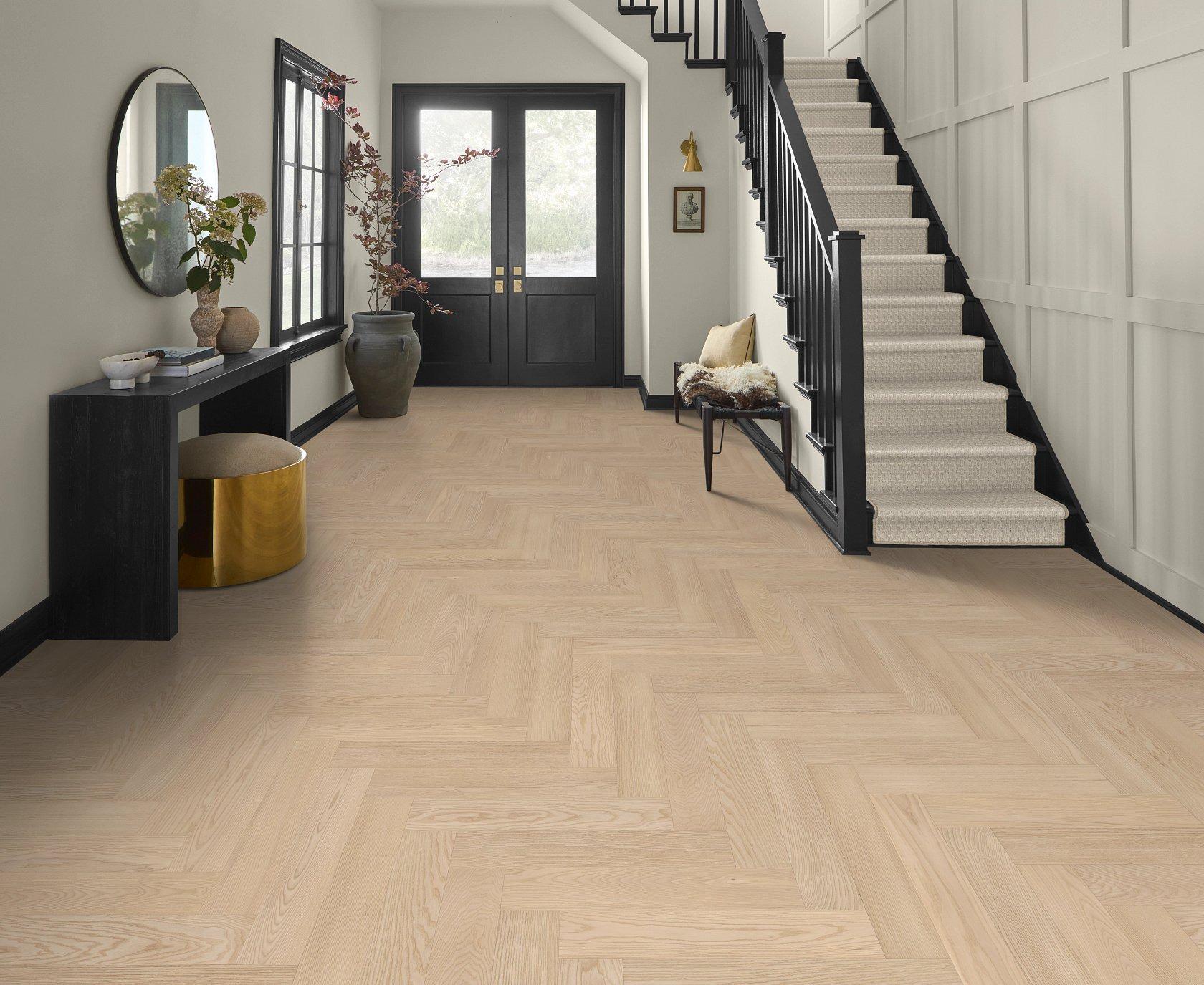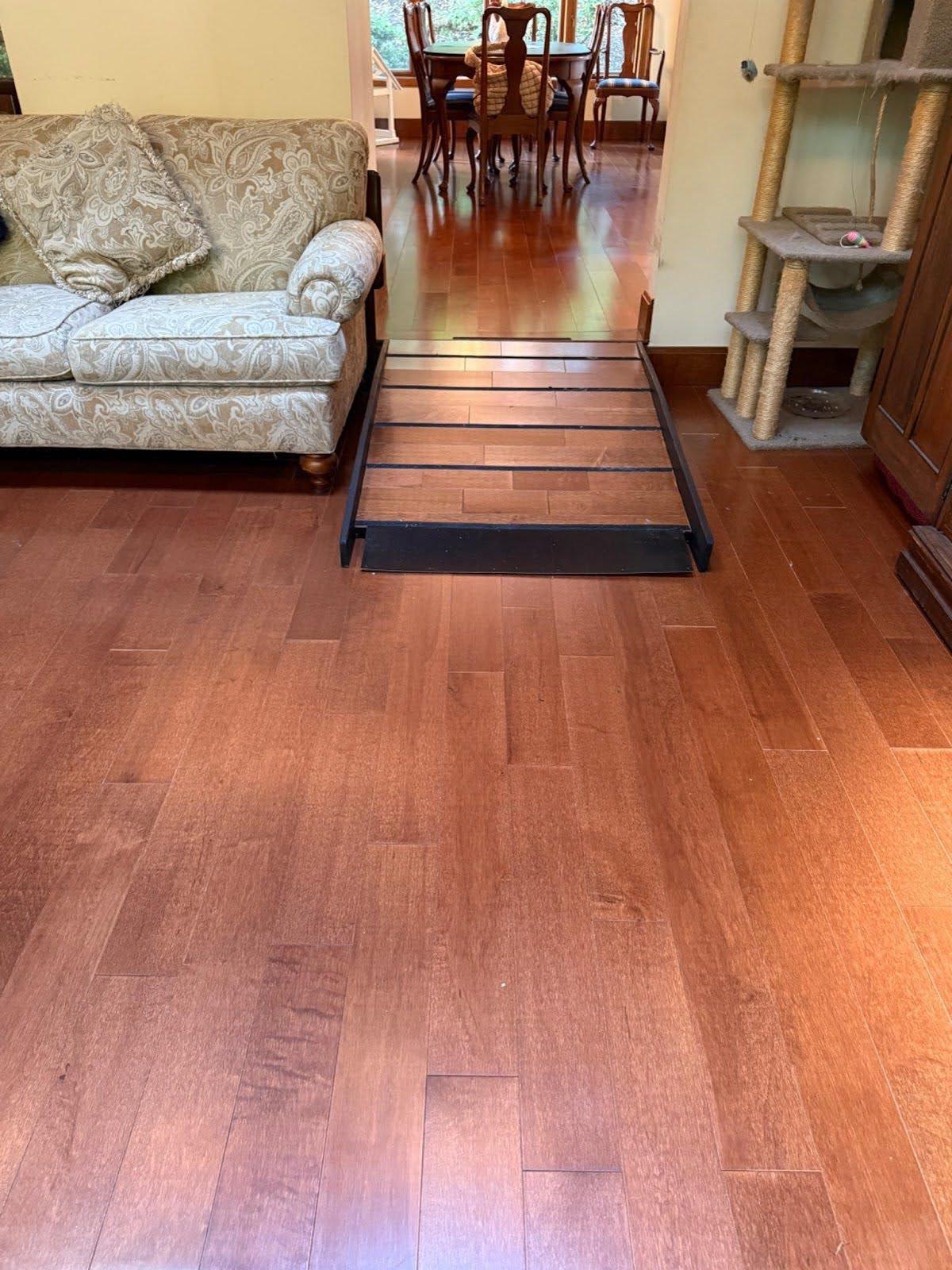
Floor transitions may seem like a small detail; that is, until you're planning a new floor or dealing with an awkward, uneven seam between rooms. That's when you find just how significant transitions are in how your home looks and feels. By choosing the right transition, you can ensure the floors flow smoothly from room to room.
In this guide, we explore how to transition flooring between rooms and offer tips for choosing the perfect transitions for hardwood, LVP, tile, and laminate flooring.
If you’re ready to make your flooring transitions feel seamless, contact our team at Floor Coverings International® of Greenville, SC, for a free in-home consultation.
Why Floor Transitions Matter
When one floor ends and another begins, you normally need a transition piece to cover the gap and make the floors feel like they fit together. This strip or molding helps bridge different types of flooring and protects vulnerable edges from wear.
These are a few top reasons transitions are important for your floors:
- Covers expansion gaps so the floors have room to expand and contract with environmental changes without displaying visible gaps.
- Creates a clean visual flow between rooms.
- Prevents tripping hazards by smoothly bridging between floors with different heights.
- Protects floor edges from chipping or lifting.
When Do You Need a Flooring Transition?
Whether you decide to include transitions or not often hinges on your home’s layout and your design choices. In separated rooms with closed doorways, transitions are typically necessary to manage the technical seams between different materials. But in Greenville homes with open floor plans, the trend leans toward a seamless, no-transition look that gives the area a spacious, unified atmosphere.
That said, even in open layouts, a subtle transition is a smart design move that can beautifully define zones. This could look like opting for a flush wood threshold to subtly separate a formal dining area from a living space, even if the floors are the same height. In this case, the transition is less about hiding a seam and more about intentional framing.
You'll usually need a transition when:
- Flooring materials change; for instance, hardwood to tile, vinyl to carpet, etc.
- Floor heights differ.
- You're transitioning through a doorway.
- Floors were installed at different times.
You may not need a transition when:
- Using the same flooring throughout an open-concept area.
- The floors are flush and installed continuously.
Types of Floor Transitions
Transitions come in a variety of styles to solve different challenges. Some help manage changes in floor height, while others protect floor edges from chipping or fraying.
Here are some of the most common types of flooring transitions:
- T-molding. When you’re transitioning different hardwood floors or other smooth-surface floors with the same height, T-molding is usually the cleanest solution. Since the piece bridges the small expansion gap without creating a step or slope, it works well in doorways and transitions between rooms.
- Reducer strips. When one floor sits higher than the next, a reducer strip creates a gentle slope to transition between different floor heights and avoid trips. You'll often see them used in areas where hardwood or tile meets vinyl or laminate.
- Thresholds. As a strong, defined break between rooms, thresholds are a classic option for bedrooms, bathrooms, and exterior doorways, since the piece helps manage expansion and prevents water from spreading between rooms.
- Carpet trim. In areas where carpet meets another type of flooring, carpet trim can keep everything looking clean and finished. The pieces are designed to hold the carpet firmly in place while gently bridging the change in height or texture.
Matching Transition to Your Flooring Style
The best flooring transitions are the ones you barely notice. Whether you decide on matching wood tones, coordinating colors, or a clean metal profile, by choosing transition pieces that complement your flooring, you can maintain the overall look of your home.
Here are some tips that help you pick the best transitions for different floor types:
- Match the wood species when possible.
- Consider flush transitions for a custom look.
- Leave proper expansion gaps to protect your floors in South Carolina’s humid conditions.
- Use manufacturer-matched transition pieces.
- Avoid mixing metal or wood unless it fits an intentional design.
- Choose stone or metal transitions to add durability.
- Consider Schluter-style transitions to give your home a modern finish. This German-designed system is ideal for kitchens, bathrooms, and mudrooms.
- Always allow room for expansion.
- Select T-moldings for smooth transitions.
- Use consistent color matching to get the best look.
Getting the Most Out of Your Floor Transitions
Ideally, well-fitted transitions look smooth and effortless, if not entirely invisible. For that reason, choosing transitions based on flooring type, height differences, and how each space is used helps naturally blend the floors from room to room.
Here’s how you can plan your transitions and avoid common mistakes:
- Use the right height transition.
- Include expansion space wherever needed.
- Only mix finishes when it fits your design plan.
- Plan and install transitions early on to protect your floors from wear.
Ready to Enjoy a Smooth, Seamless Floor?
Whether you’re blending old and new flooring, remodeling one room at a time, or designing a full-home update, smart transitions connect your spaces, define zones, and protect your floors with a clean, intentional finish. Working with local flooring professionals like our team at Floor Coverings International® of Greenville, SC, can help you choose the right materials, profiles, and layout for your home’s style.
If you’re ready to explore some of the best options available in flooring stores in Greenville, give us a call at (864) 729-2383 or schedule a free in-home consultation, and we’ll bring all the samples to you with a comfortable in-home selection.