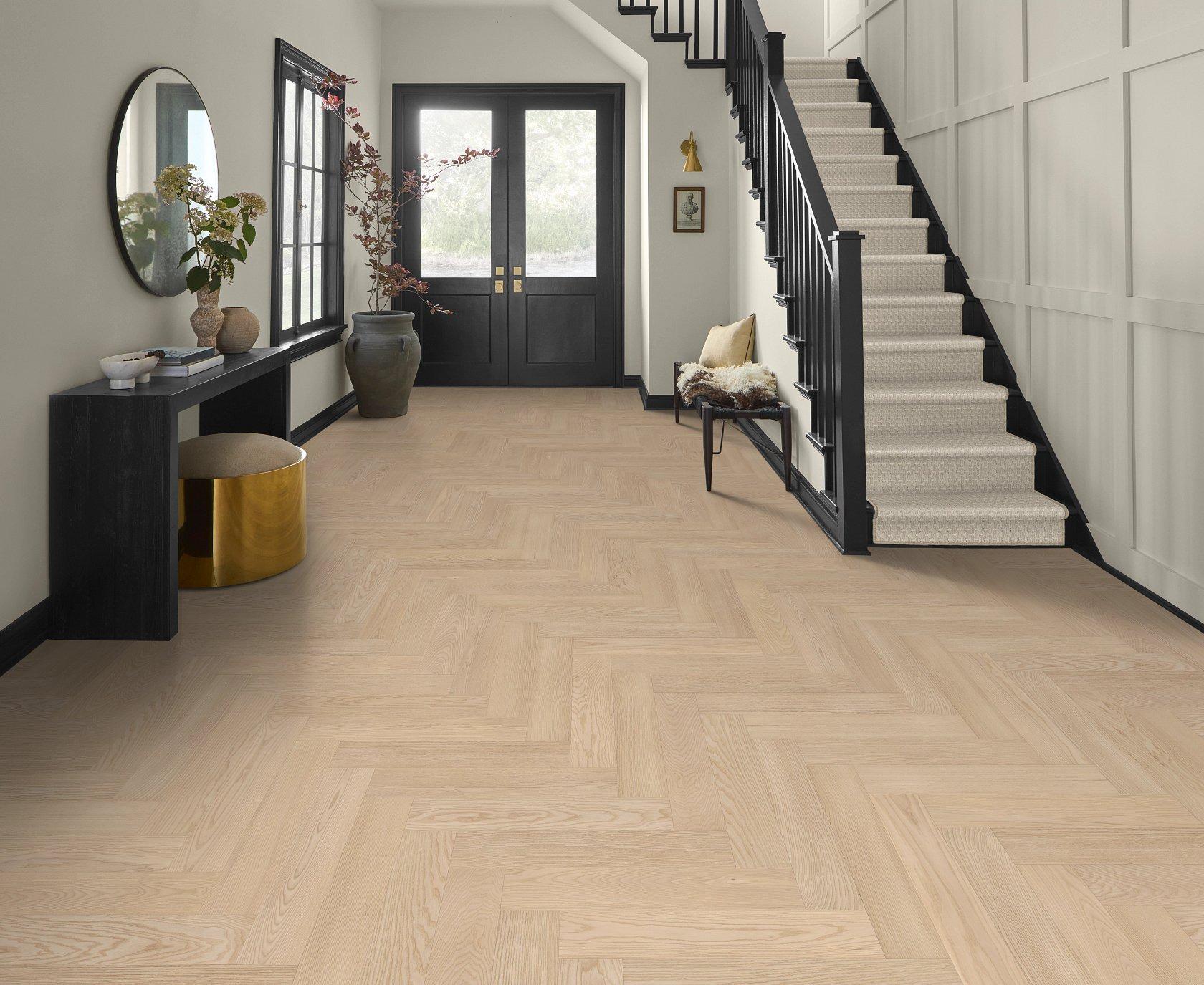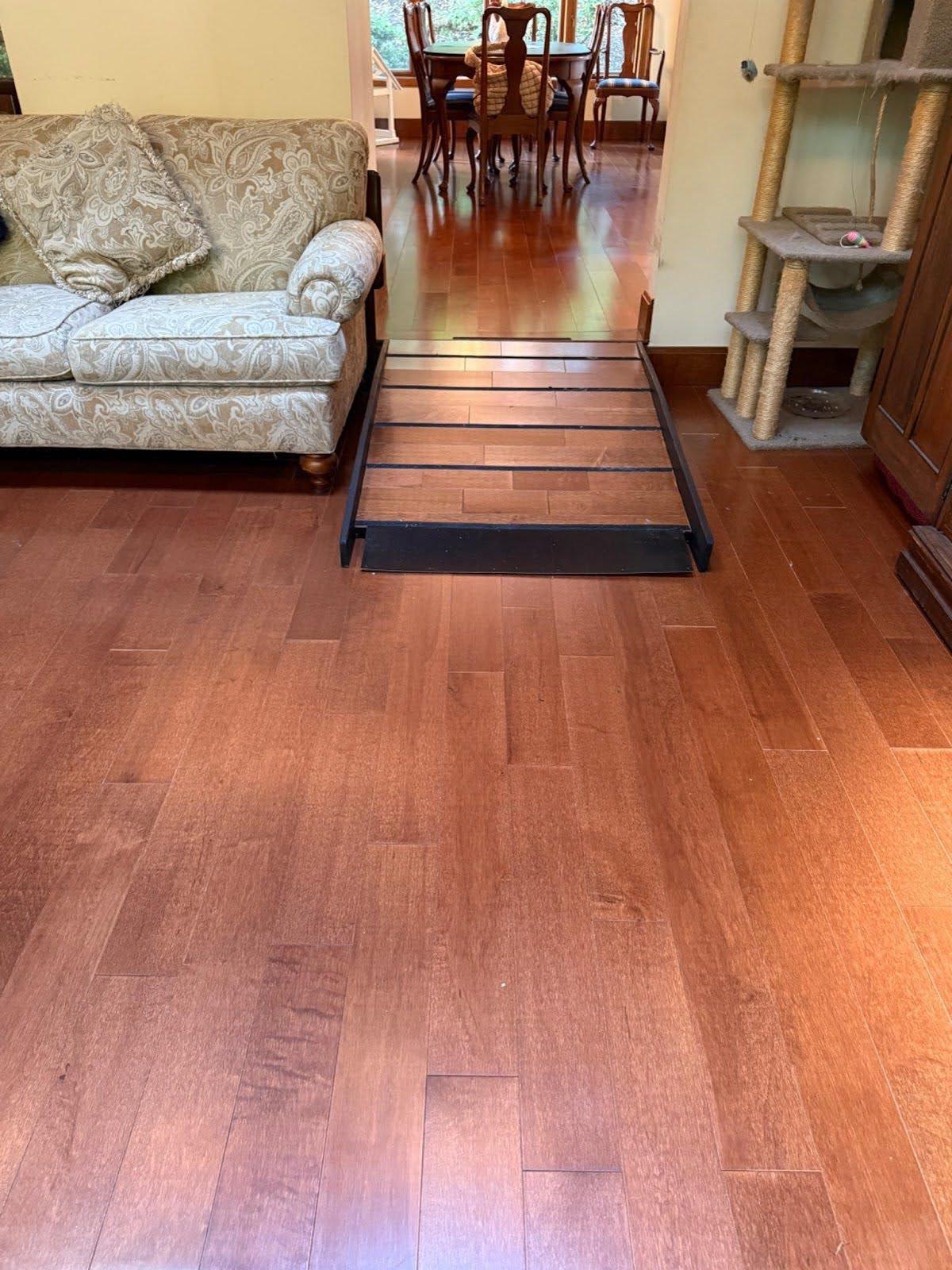
Laminate is one of the most popular hard-surface options for Jupiter homeowners because it’s affordable, stylish, and durable. But with Florida’s heat and humidity, many people wonder, how do you waterproof laminate flooring?
Since laminate has a wood-based core, it needs proper moisture protection to stay strong and avoid issues like swelling or warping. Because our climate brings everything from autumn storms to daily humidity, even high-quality laminate needs thoughtful installation to stay beautiful over time. Many homeowners love how laminate looks and performs, but they’re often surprised to learn just how much proper prep work can extend the life of their floors.
In this guide, we’ll cover laminate’s strengths, explain why waterproofing is essential in coastal regions like Jupiter and West Palm Beach, FL, walk through each step of the waterproofing process, and share tips for choosing laminate that can truly stand up to Florida conditions. Whether you’re planning a full remodel or replacing worn-out surfaces, choosing the right flooring system helps protect your investment.
If you’re thinking about upgrading to laminate that can hold up in our coastal environment, the team at Floor Coverings International® of Jupiter, FL, can help. Schedule your free in-home consultation today.
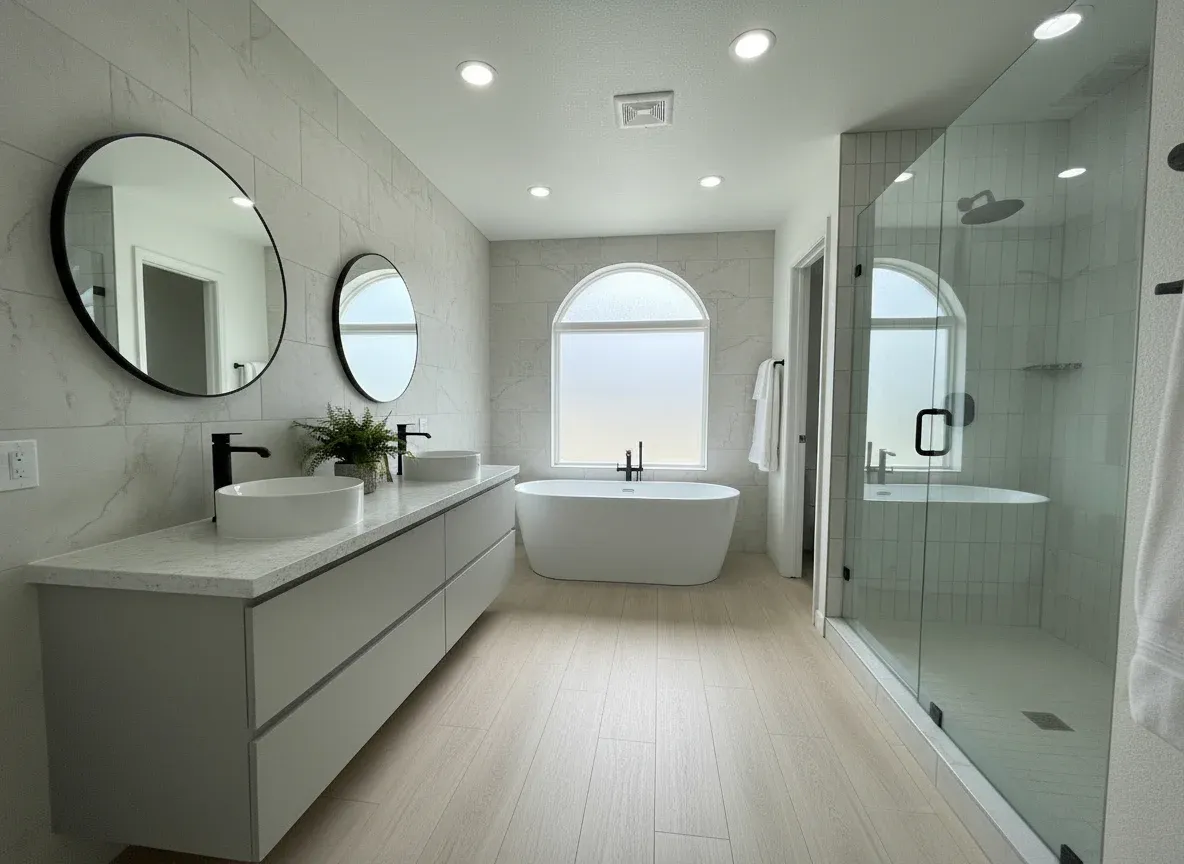
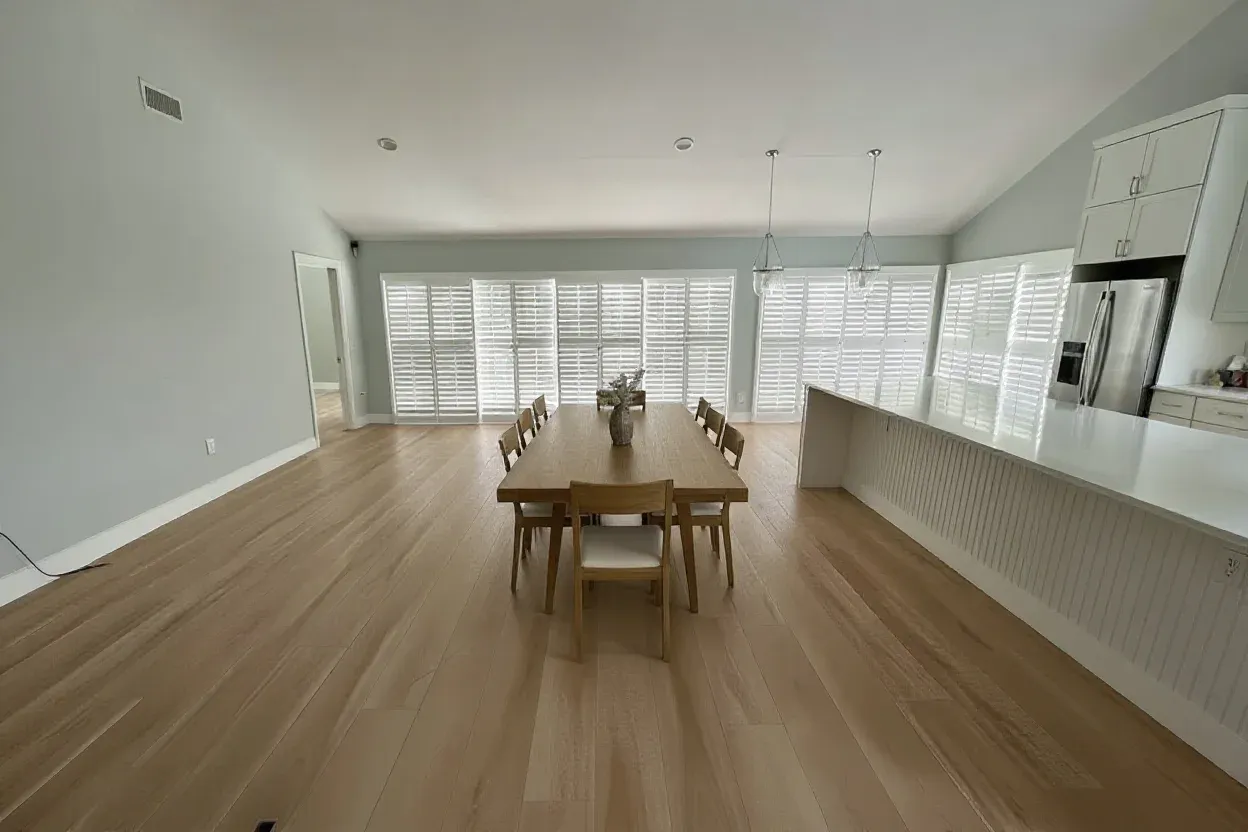
Why Laminate Is a Top Choice in Florida Homes
Before we dive into waterproofing, it helps to understand why laminate has become one of the strongest performers in the hard-surface category.
Laminate is built in layers, starting with a strong HDF (high-density fiberboard) or MDF (medium-density fiberboard) core, topped with a realistic image layer, and sealed with a durable resin wear layer.
This construction gives homeowners many benefits:
- Affordability without sacrificing style. Modern laminates, especially embossed-in-register (EIR) styles, look incredibly realistic while still being budget-friendly.
- Excellent scratch resistance. The wear layer protects against scratches and scuffs better than many natural wood surfaces.
- Fast installation and easy repair. Floating floors are installed quickly, and individual boards can easily be replaced if damaged.
- Eco-friendly options. Many laminate products use recycled materials or low-VOC finishes.
- A long lifespan with proper waterproofing. When sealed correctly, laminate can outperform lower-cost vinyl and even hardwood in moisture-prone spaces.
Additionally, laminate has become a go-to choice for homeowners who want the beauty of hardwood without the maintenance. It doesn’t require sanding, it resists everyday dents and scratches from pets or kids, and it maintains its appearance longer than many natural wood options in humid environments. For busy households, laminate offers the perfect balance of performance and style.
These benefits make laminate a strong competitor against hardwood, vinyl plank, and tile, especially when installed by professionals who know how to waterproof it for Florida conditions.
Does Laminate Need Moisture Protection?
Can you get laminate flooring wet? Yes — but only briefly. Laminate is durable, but it’s not naturally built to withstand constant humidity or standing water. Moisture can seep into edges and cause bubbling, lifting, or distortion.
Without proper moisture protection, laminate can be vulnerable to:
- Spills and everyday moisture
- Plumbing leaks
- High humidity levels
- Moisture rising from concrete slabs
Even regular cleaning routines can affect laminate’s longevity. Using very wet mops, letting spills sit too long, or letting humid outdoor air into the home can allow moisture to reach the core. In Florida’s climate, these conditions are extremely common, which is why waterproofing steps are considered essential rather than optional.
Water protection adds a long-lasting barrier and helps your floors stay beautiful even with Jupiter’s warm, damp climate.
Step-by-Step: How Professionals Waterproof Laminate
Is there waterproof laminate flooring? Manufacturers now offer water-resistant and “waterproof” lines, but even these products rely on proper installation to perform as intended. That’s why professional waterproofing is essential.
Here’s how experts do it:
1. Perform Moisture Testing
Before installation, pros test concrete slabs and subfloors with moisture meters. This step ensures the surface is ready and helps prevent bubbling, warping, and warranty issues in the future.
Skipping moisture testing is one of the top causes of laminate failure in Florida homes. Even slabs that feel dry can hold hidden moisture that later travels upward into the flooring.
2. Install a Moisture Barrier
To stop ground moisture from rising into the boards, installers should use the right underlayment for your home:
- Vapor barriers for concrete slabs
- Moisture-blocking foam underlayment for floating floors
- Combination vapor-barrier/underlayment systems for added protection
3. Seal the Perimeter
This key step involves sealing the expansion space around walls, boaseboards, and doorframes with a flexible silicone sealant to stop water from slipping underneath floating planks. Flexible waterproof sealant keeps moisture out without restricting natural expansion.
Together, these steps create a strong defense system that helps laminate perform well even in homes close to the beach, near marshlands, or exposed to daily humidity changes.
How to Choose the Right Laminate for Florida Conditions
Some laminate products handle moisture better than others.
When shopping, look for:
- Waxed or sealed locking systems for stronger moisture resistance.
- High-density cores that hold up better in humidity.
- Water-resistant coatings on the wear layer.
You can also ask about AC ratings, which describe how durable laminate is against foot traffic, and check for products labeled specifically for coastal or humid climates. These laminates often have tighter locking systems and stronger protective coatings.
Upgrade to Laminate Floors That Can Handle Florida’s Humidity
Laminate offers the perfect blend of beauty, durability, and value. But waterproofing is essential in Jupiter’s climate. With professional moisture testing, quality underlayment, and expert sealing of perimeters, laminate becomes a long-lasting, reliable choice — even in moisture-prone areas.
If you want laminate that can handle spills, storms, and Florida humidity, our team at Floor Coverings International® of Jupiter, FL, is here to help. We carry a wide range of waterproof-rated, high-quality laminate flooring products. We’ll guide you through materials, explain waterproofing options, and install your floors with precision.
Call us at (561) 623-1063 or schedule your free in-home consultation today to get started.